-
Shop
- Advanced Technologies
- AI Skills
- Apple Accessories
- Armani
- Bathroom
- Best-Sellers
- Calvin Klein
- Car Accessories
- Car Buying & Ownership
- Confidence
- Dating & Social Skills
- Digital Resources
- AI & Technology
- Beauty
- Electronics & Technology
- Emotional Intelligence
- Home Styling & Organization
- Kitchen & Recipes
- Mindfulness
- Mindset
- Online Business
- Parenting & Child Development
- Personal Style & Fashion
- Pet Lifestyle & Wellness
- Positive Thinking
- Productivity
- Self Confidence
- Sleep Improvement
- Smart Life with AI
- Stress Management & Relaxation
- Wellness
- Yoga & Mind-Body Practices
- Education & Learning
- Family & Parenting
- Fashion
- Furniture
- Gadgets
- Health & Beauty
- Health & Wellness
- Home & Garden
- Home Decor
- Home Electronics
- Jewelry
- Kids & Babies
- Kitchen
- Legend Footwear Brands Collection
- Lighting
- Luxury Brands Collection
- Nike
- Patio, Lawn & Garden
- Personal Growth
- Pet Care
- Pet Supplies
- Pets
- Smart Amazon Shopping
- Sport & Outdoors
- Travel
- Travel & Adventure
- Wealth
- Wealth Building
- Budgeting & Saving
- Cryptocurrency Investing
- Debt Management
- Entrepreneurship & Business Growth
- Family Finance & Budgeting
- Financial Independence
- Financial Mindset & Psychology
- Financial Planning
- Frugal Living & Expense Hacks
- Goal Setting
- High-Income Skills
- Investing Basics
- Leadership
- Motivation
- Networking & Mentorship
- Passive Income Strategies
- Real Estate Investing
- Side Hustles
- Stock Market Investing
- Popular
- Best deals
Clean Light Switches & Door Handles (No Damage)
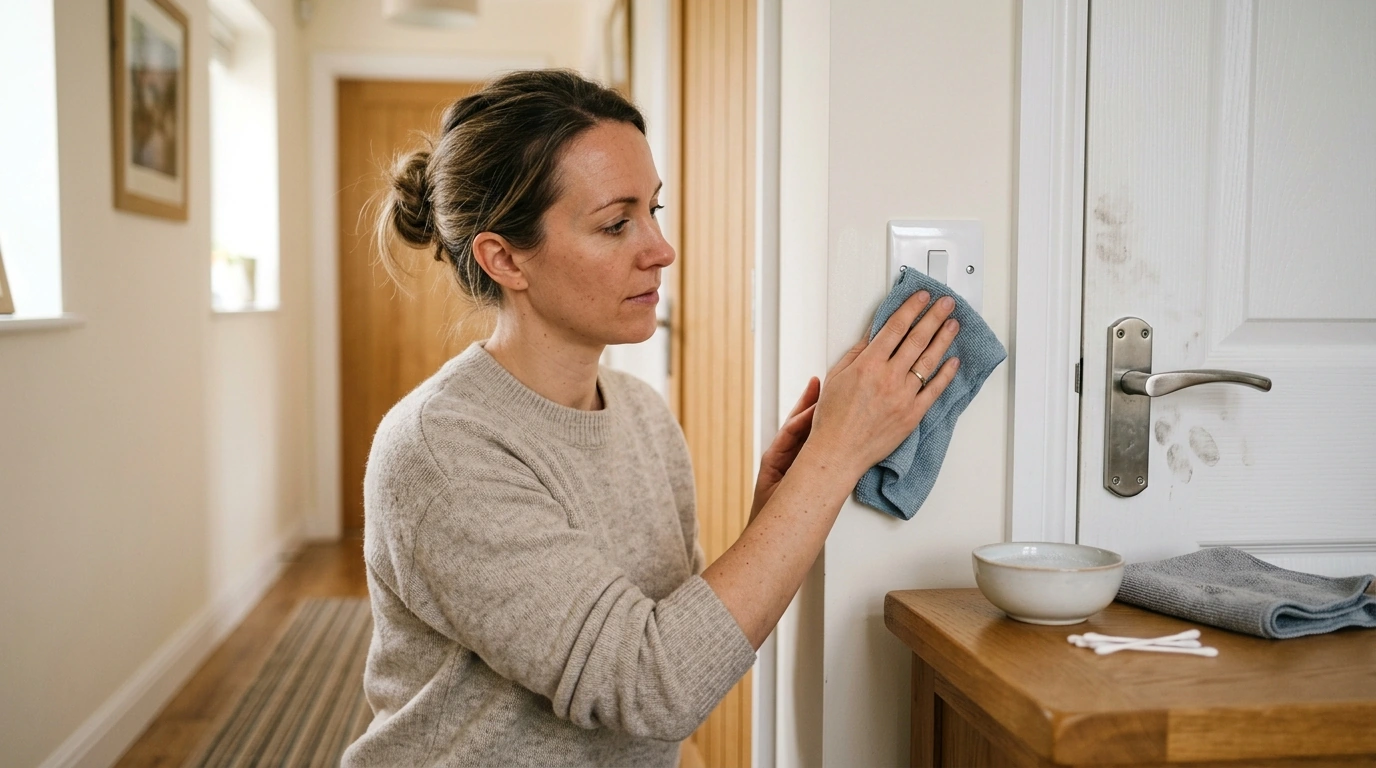
Sparkle at Every Touch: Cleaning Light Switches and Door Handles for a Healthier, Brighter Home
Light switches and door handles are some of the most-touched surfaces in any home, yet they’re easy to miss during day-to-day tidying. A simple, low-moisture routine can lift fingerprints, skin oils, cooking film, and that dull “gray cast” that makes clean rooms feel a little worn. Done the right way, cleaning keeps finishes looking crisp—without damaging paint, plated metal, or plastic—and supports a healthier-feeling home, especially during busy seasons and after company.
Why these high-touch spots matter
Switch plates, toggles, knobs, and pulls get constant contact—often with hands that have lotion, sunscreen, makeup residue, or kitchen grease on them. Over time, that buildup can leave surfaces sticky, attract dust, and flatten the shine on glossy plates and metal hardware.
Regular cleaning also fits into a smart home hygiene routine. Public health guidance emphasizes cleaning and targeted disinfection for high-touch areas when needed; the CDC’s overview is a helpful reference for deciding what’s appropriate in your space (CDC: Cleaning and Disinfecting). And since hand hygiene is your first line of defense, it pairs well with keeping touch-points visibly clean (Cleveland Clinic: Handwashing).
What to gather before cleaning
Keep it simple and finish-safe. You’ll get better results with a few basic tools than with harsh products.
- Microfiber cloths (at least two): one for cleaning, one for drying/buffing
- Cotton swabs or a soft toothbrush for edges, seams, and around switch toggles
- Mild dish soap + warm water for everyday cleaning on most surfaces
- 70% isopropyl alcohol for quick degreasing and faster drying (spot-test first on painted or specialty finishes)
- Disposable gloves (optional) to avoid re-depositing oils
- A small spray bottle (optional): spray onto cloth, not directly onto electrical areas
Quick supplies guide by soil level
| Situation | Best basic option | Helpful add-on |
|---|---|---|
| Fresh fingerprints and light dust | Dry microfiber cloth | A second cloth for buffing |
| Sticky spots and visible grime | Warm water + a drop of dish soap (on cloth) | Cotton swab for edges |
| Greasy kitchen film | Soap solution, followed by damp wipe | 70% isopropyl alcohol on cloth (spot-test) |
| After illness/guests (routine reset) | Soap solution and thorough drying | Alcohol wipe for quick finish (if surface-safe) |
Safety first: moisture control and electricity basics
- Turn off the light switch before cleaning the plate and toggle to reduce risk and avoid flicker.
- Never spray cleaner directly onto switches, outlets, or hardware—apply to the cloth first.
- Use minimal moisture: cloth should be damp, not wet, to prevent seepage behind plates.
- If a switch plate is cracked, loose, or warm to the touch, stop cleaning and address the hardware first.
Step-by-step: cleaning light switches and switch plates
- Dry wipe: Use a dry microfiber cloth to remove loose dust around plate edges and the toggle/rocker.
- Damp clean: Dip a corner of your cloth in warm water with a tiny drop of dish soap. Wipe the face of the plate with light pressure, keeping moisture away from openings and seams.
- Detail work: Use a cotton swab to trace along edges, screw heads, and the perimeter around the toggle/rocker where grime gathers.
- Rinse pass: Wipe once more with a clean cloth dampened with plain water to remove any soap film that can attract dust.
- Dry and buff: Immediately dry with a separate microfiber cloth. A quick buff prevents streaks and restores shine.
- Optional finish: For stubborn smudges, use a small amount of 70% isopropyl alcohol on a cloth (spot-test first), then buff dry.
Step-by-step: cleaning door handles, knobs, and pulls
Material notes: what to avoid on common finishes
- Avoid abrasive powders, rough scrub pads, and metal brushes that can scratch plates and plated hardware.
- Avoid bleach on metals unless the manufacturer specifically allows it; it can discolor and pit finishes. If you need an approved disinfectant, check product labeling and references like EPA List N.
- Avoid soaking handles or letting cleaner pool near screws and seams; trapped moisture can lead to corrosion.
- On painted switch plates or walls: avoid heavy alcohol use that can dull paint—spot-test and use minimal product.
- On matte black hardware: stick to mild soap and water; many “shine” products create uneven gloss.
A realistic routine: how often to clean
Troubleshooting common issues
Make it effortless: a simple checklist and habit pairing
Digital guides to keep routines simple
- Sparkle at Every Touch | How to Clean Light Switches and Handles | Digital Cleaning Guide for a Healthier, Brighter Home
- Screen Headaches Solved – A Practical Digital Guide to Headaches From Screen Overuse, Eye Strain Relief & Smart Screen Habits
- Master Amazon Subscribe & Save in 10 Easy Steps – Printable Checklist for Beginners | Digital Download | Learn How Does Amazon Subscribe and Save Work
FAQ
Can light switches be cleaned with disinfecting wipes?
Yes, as long as the wipe is only lightly moist and not dripping. Keep moisture away from openings and seams, then dry the plate and toggle immediately; spot-test first on painted plates to avoid dulling.
What’s the safest way to disinfect door handles without damaging the finish?
Start with mild soap and water, then rinse and dry thoroughly. If you need extra disinfection, use 70% isopropyl alcohol on a cloth after spot-testing, then buff dry—avoid bleach on most metals.
How often should switches and handles be cleaned in a busy household?
Clean high-use areas weekly (or more often when they look smudged), do a whole-home pass monthly, and do a targeted reset after gatherings or illness.
















Leave a comment