-
Shop
- Advanced Technologies
- AI Skills
- Apple Accessories
- Armani
- Bathroom
- Best-Sellers
- Calvin Klein
- Car Accessories
- Car Buying & Ownership
- Confidence
- Dating & Social Skills
- Digital Resources
- AI & Technology
- Beauty
- Electronics & Technology
- Emotional Intelligence
- Home Styling & Organization
- Kitchen & Recipes
- Mindfulness
- Mindset
- Online Business
- Parenting & Child Development
- Personal Style & Fashion
- Pet Lifestyle & Wellness
- Positive Thinking
- Productivity
- Self Confidence
- Sleep Improvement
- Smart Life with AI
- Stress Management & Relaxation
- Wellness
- Yoga & Mind-Body Practices
- Education & Learning
- Family & Parenting
- Fashion
- Furniture
- Gadgets
- Health & Beauty
- Health & Wellness
- Home & Garden
- Home Decor
- Home Electronics
- Jewelry
- Kids & Babies
- Kitchen
- Legend Footwear Brands Collection
- Lighting
- Luxury Brands Collection
- Nike
- Patio, Lawn & Garden
- Personal Growth
- Pet Care
- Pet Supplies
- Pets
- Smart Amazon Shopping
- Sport & Outdoors
- Travel
- Travel & Adventure
- Wealth
- Wealth Building
- Budgeting & Saving
- Cryptocurrency Investing
- Debt Management
- Entrepreneurship & Business Growth
- Family Finance & Budgeting
- Financial Independence
- Financial Mindset & Psychology
- Financial Planning
- Frugal Living & Expense Hacks
- Goal Setting
- High-Income Skills
- Investing Basics
- Leadership
- Motivation
- Networking & Mentorship
- Passive Income Strategies
- Real Estate Investing
- Side Hustles
- Stock Market Investing
- Popular
- Best deals
How Nike Uses Emotion to Sell More Athletic Gear
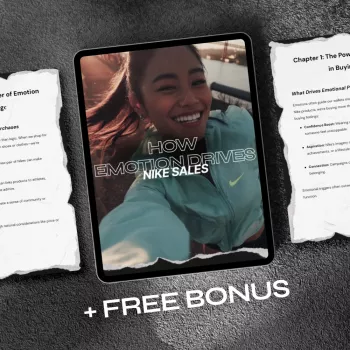
People rarely buy athletic gear on logic alone. Identity, aspiration, belonging, and the promise of transformation shape decisions long before a product is compared on specs. Nike is a clear example of how storytelling, community, and cultural relevance convert feelings into repeat purchases—and how other brands can apply the same principles without copying the playbook.
The emotional engine behind athletic purchases
For many shoppers, sportswear is less about fabric blends and more about the person they’re trying to become. That “future self” might be fitter, faster, more confident, or simply more consistent—and buying gear becomes a small commitment to that identity.
Brands help speed up decisions through cues that feel familiar and trustworthy. A recognizable logo, a certain tone of voice, and athlete associations work like mental shortcuts: they reduce effort, lower uncertainty, and make the choice feel safer in the moment.
That’s why buying can feel symbolic. It can signal values (“I train seriously”), announce affiliation (“I’m part of this community”), or validate effort already invested (“I’ve been showing up—now I’m equipped”). After purchase, emotion continues to matter: pride, motivation, and social recognition can reinforce loyalty and lead to the next purchase.
How Nike turns feelings into measurable demand
Nike’s advantage isn’t only product innovation; it’s the consistent emotional framing around progress. Campaigns often center struggle, resilience, and breakthrough moments, positioning the customer as the hero and the product as a tool—never the main character.
Story first, specs second
Vivid narratives stick because they’re easy to remember and easy to picture. Behavioral research has long shown that people frequently decide quickly and then justify afterward—an idea popularized for general decision-making in Daniel Kahneman’s work (Thinking, Fast and Slow). In sportswear, that means an emotional “yes” often arrives before a rational comparison ever begins.
Athletes as emotional proof
Athlete partnerships work as credibility plus inspiration, especially when tied to culturally relevant moments. The product doesn’t just inherit performance legitimacy; it borrows the emotional arc of training, sacrifice, and achievement.
Community flywheels that keep the feeling alive
Events, challenges, and app-driven streaks keep motivation high between purchases. This creates belonging and an ongoing relationship that isn’t dependent on constant discounts. The more the customer participates, the more the brand becomes part of their routine—making switching feel like losing something.
Scarcity that shifts utility into identity
Limited drops and special colorways can heighten anticipation and social currency. The purchase becomes less about need and more about status, taste, or being “in the know.” The key is that scarcity must be truthful; false urgency erodes trust quickly.
Consistent visual language across channels
From the swoosh to typography to campaign style, continuity creates instant recognition and emotional carryover. When each touchpoint feels coherent, the path from inspiration to checkout becomes smoother—what UX research often describes as increased trust through clarity and consistency (Nielsen Norman Group: Trustworthiness in UX).
Common emotional triggers and how they show up in sportswear marketing
| Emotional trigger | What it feels like | How it appears in campaigns and product experiences | Brand-safe way to adapt it |
|---|---|---|---|
| Aspiration | “I can become that person.” | Transformation stories, before/after narratives, elite associations | Show realistic progress milestones and customer journeys |
| Belonging | “These are my people.” | Teams, community runs, app challenges, creator communities | Create recurring rituals (weekly challenge, monthly drop, local group) |
| Confidence | “I look and feel capable.” | Bold visuals, empowering copy, fit/comfort reassurance | Use inclusive imagery and clear fit guidance to reduce doubt |
| Status | “This signals taste and credibility.” | Limited editions, collabs, recognizable design cues | Offer tiered products or member-only perks without alienating newcomers |
| Nostalgia | “This connects to my past.” | Retro silhouettes, heritage storytelling, archive callbacks | Reference your own brand moments or customer memories authentically |
| Motivation | “This will keep me going.” | Coaching content, training plans, streaks, badges | Bundle content with product use (checklists, routines, micro-coaching) |
Emotional decision-making: what happens in the buyer’s mind
Finally, cognitive ease wins. Familiar branding, clear next steps, and fewer confusing options make emotional intent easier to act on. Research on customer emotions also points to how strongly feelings influence loyalty and word-of-mouth, not just the initial sale (Harvard Business Review: The New Science of Customer Emotions).
Turning emotional insights into a practical brand strategy
To support planning and messaging work, this digital resource can help structure ideas around emotional buying and brand growth: How Emotion Drives Nike Sales: Uncover the Secrets of Emotional Purchases & Boost Your Brand Strategy.
Ethical persuasion: earning trust while using emotion
A quick way to apply this approach to your next campaign
If the goal is to keep motivation high after purchase, a simple habit-and-routine asset can help customers follow through and associate progress with your brand’s support. For example: Master Amazon Subscribe & Save in 10 Easy Steps – Printable Checklist for Beginners (useful as a model for how checklists reinforce consistency and reduce friction).
FAQ
Why do people buy Nike even when similar products cost less?
Because the purchase often signals identity and aspiration, backed by long-built trust and community effects. Many shoppers decide emotionally (belonging, confidence, status) and then use product features as the rational justification afterward.
What emotions are most effective for driving purchases in apparel and fitness brands?
Aspiration, belonging, confidence, motivation, and status tend to perform well, but the best choice depends on the audience and product category. Performance gear often leans on confidence and motivation, while lifestyle lines may lean more on belonging, nostalgia, or status.
How can smaller brands use emotional marketing without a celebrity budget?
Use customer-led stories, micro-communities, and creator partnerships where credibility feels personal and relatable. Pair a consistent emotional promise with strong proof points—reviews, guarantees, and clear policies—so the feeling is supported by trust.
Recommended for you

Smart 4-Qt Air Fryer: App Control & Easy Cleanup
Sep 24, 2026













Leave a comment