-
Shop
- Advanced Technologies
- AI Skills
- Apple Accessories
- Armani
- Bathroom
- Best-Sellers
- Calvin Klein
- Car Accessories
- Car Buying & Ownership
- Confidence
- Dating & Social Skills
- Digital Resources
- AI & Technology
- Beauty
- Electronics & Technology
- Emotional Intelligence
- Home Styling & Organization
- Kitchen & Recipes
- Mindfulness
- Mindset
- Online Business
- Parenting & Child Development
- Personal Style & Fashion
- Pet Lifestyle & Wellness
- Positive Thinking
- Productivity
- Self Confidence
- Sleep Improvement
- Smart Life with AI
- Stress Management & Relaxation
- Wellness
- Yoga & Mind-Body Practices
- Education & Learning
- Family & Parenting
- Fashion
- Furniture
- Gadgets
- Health & Beauty
- Health & Wellness
- Home & Garden
- Home Decor
- Home Electronics
- Jewelry
- Kids & Babies
- Kitchen
- Legend Footwear Brands Collection
- Lighting
- Luxury Brands Collection
- Nike
- Patio, Lawn & Garden
- Personal Growth
- Pet Care
- Pet Supplies
- Pets
- Smart Amazon Shopping
- Sport & Outdoors
- Travel
- Travel & Adventure
- Wealth
- Wealth Building
- Budgeting & Saving
- Cryptocurrency Investing
- Debt Management
- Entrepreneurship & Business Growth
- Family Finance & Budgeting
- Financial Independence
- Financial Mindset & Psychology
- Financial Planning
- Frugal Living & Expense Hacks
- Goal Setting
- High-Income Skills
- Investing Basics
- Leadership
- Motivation
- Networking & Mentorship
- Passive Income Strategies
- Real Estate Investing
- Side Hustles
- Stock Market Investing
- Popular
- Best deals
Cat Grooming Essentials: Easy Routine for Healthy Coats
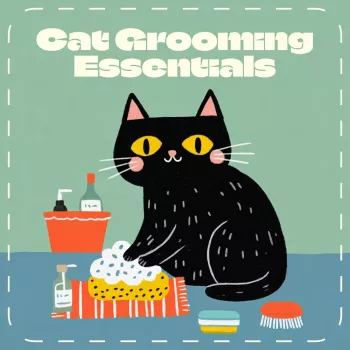
Cat Grooming Essentials: A Simple Routine for Healthy Coats and Happier Cats
A good grooming routine is equal parts coat care, comfort, and early problem-spotting. The goal isn’t a perfect “show coat”—it’s fewer mats, less shedding on your furniture, cleaner ears and nails, and a cat who stays relaxed during handling. Our team uses the same basics at home: a few reliable tools, short sessions, and a repeatable order that keeps things predictable for you and your cat.
What “healthy coat” really means at home
A healthy coat is the one that feels comfortable for your cat and manageable for you. Most of the wins are simple and noticeable:
- Less loose hair: regular brushing removes shedding fur before it ends up on clothes (or in hairballs).
- Skin comfort: gentle grooming helps distribute natural oils and reduces itch from dander buildup.
- Mat prevention: small tangles are easy to fix; neglected ones can pull the skin and become painful.
- A quick weekly check-in: grooming time doubles as a calm moment to notice fleas, scabs, bumps, sore spots, or changes in weight.
If you want a vet-backed baseline for what normal grooming support looks like, Cornell’s overview is a solid reference: Cornell Feline Health Center — Grooming.
Build your grooming kit: the few tools that do the most
You don’t need a drawer full of gadgets. A small kit you can grab quickly is what keeps the routine happening.
- Brush or comb matched to coat type: a fine comb helps catch early tangles; a soft brush can be enough for short coats; long coats usually do best with a combination (comb first, brush second).
- Nail trimmers: choose a style that feels steady in your hand; a small flashlight can help you see the quick on darker nails.
- Pet-safe wipes or a soft damp cloth: perfect for spot-cleaning paws, chin, and rear fur without a full bath.
- Ear and eye basics: a clean cotton pad for visible debris only; skip cotton swabs deep in the ear canal.
- Treats and a towel: treats create a predictable reward loop, and a towel keeps your cat secure (and your lap clean).
If you prefer a ready-to-print routine (including checklists you can keep near your grooming spot), our digital guide is designed for everyday use: Cat Grooming Essentials | Cat Grooming Basics Digital Guide for Healthy Coats & Happy Cats | Printable Pet Care eBook.
A calm, cat-friendly sequence (so grooming stays doable)
The secret isn’t “better restraint”—it’s keeping the session short, predictable, and ending before your cat is fed up. Here’s a sequence that works well for most households:
If you’re building routines for a busy household, pairing pet care with simple, printable checklists can make consistency easier. Some customers also like using general household habit trackers alongside pet routines, such as Master Amazon Subscribe & Save in 10 Easy Steps – Printable Checklist for Beginners | Digital Download to reduce “did we already do this?” moments across the week.
Common coat problems and what to do early
Mats and tangles
Dandruff and dry skin
Greasy or “clumpy” coat
Hairballs
Brushing reduces swallowed fur, which can reduce hairballs over time. If hairballs are frequent or your cat seems to retch without producing anything, get guidance; VCA’s overview is helpful background reading: VCA Animal Hospitals — Hairballs in Cats.
Overgrooming
Printable routine: a simple schedule you can keep
| Task | Short coat | Medium coat | Long coat |
|---|---|---|---|
| Brushing | 2–3×/week | 3–5×/week | Daily or near-daily |
| Comb-through (tangle check) | As needed | 1–2×/week | 3–7×/week |
| Nail trim | Every 2–4 weeks | Every 2–4 weeks | Every 2–4 weeks |
| Ears/eyes quick check | Weekly | Weekly | Weekly |
| Spot cleaning (paws/chin/rear fur) | As needed | As needed | As needed |
If you want this rhythm in a ready-to-use format you can print and keep where you groom, our team built Cat Grooming Essentials for simple follow-through—especially during seasonal sheds or when your cat’s tolerance changes.
When to loop in a vet or professional groomer
For additional everyday grooming pointers (especially around handling and comfort), the ASPCA’s basics are a useful cross-check: ASPCA — Cat Grooming Tips.
Keep it easy: a ready-to-use guide you can print
If you’re also working on better screen-life boundaries while you build new routines at home, our team has a practical companion guide for that, too: Screen Headaches Solved – A Practical Digital Guide to Headaches From Screen Overuse, Eye Strain Relief & Smart Screen Habits.
FAQ
How often should a cat be groomed?
Most short-haired cats do well with brushing 2–3 times a week, while medium coats often need 3–5 times and long coats benefit from daily or near-daily attention. Keep sessions short and frequent, and use the schedule above as your baseline for nails and weekly checks.
Do indoor cats need grooming if they clean themselves?
Yes—self-grooming doesn’t remove enough loose hair to prevent shedding buildup, mats, or hairball-related fur swallowing. Your routine also covers nails, ears/eyes, and early detection of skin or coat changes you might otherwise miss.
What should be done if a cat has mats?
Don’t pull or cut close to the skin; instead, hold fur near the base and work slowly from the ends inward with a comb. If the mat is tight to the skin or in a sensitive area, it’s safer to use a professional groomer or your vet.













Leave a comment