-
Shop
- Advanced Technologies
- AI Skills
- Apple Accessories
- Bathroom
- Best-Sellers
- Car Accessories
- Car Buying & Ownership
- Confidence
- Dating & Social Skills
- Digital Resources
- AI & Technology
- Beauty
- Electronics & Technology
- Emotional Intelligence
- Home Styling & Organization
- Kitchen & Recipes
- Mindfulness
- Mindset
- Online Business
- Parenting & Child Development
- Personal Style & Fashion
- Pet Lifestyle & Wellness
- Positive Thinking
- Productivity
- Self Confidence
- Sleep Improvement
- Smart Life with AI
- Stress Management & Relaxation
- Wellness
- Yoga & Mind-Body Practices
- Education & Learning
- Family & Parenting
- Fashion
- Furniture
- Gadgets
- Health & Beauty
- Health & Wellness
- Home & Garden
- Home Decor
- Home Electronics
- Jewelry
- Kids & Babies
- Kitchen
- Legend Footwear Brands Collection
- Lighting
- Nike
- Patio, Lawn & Garden
- Personal Growth
- Pet Care
- Pet Supplies
- Pets
- Smart Amazon Shopping
- Sport & Outdoors
- Travel
- Travel & Adventure
- Wealth
- Wealth Building
- Budgeting & Saving
- Cryptocurrency Investing
- Debt Management
- Entrepreneurship & Business Growth
- Family Finance & Budgeting
- Financial Independence
- Financial Mindset & Psychology
- Financial Planning
- Frugal Living & Expense Hacks
- Goal Setting
- High-Income Skills
- Investing Basics
- Leadership
- Motivation
- Networking & Mentorship
- Passive Income Strategies
- Real Estate Investing
- Side Hustles
- Stock Market Investing
- Popular
- Best deals
Single Parent Stress Relief: 10-Minute Resets & Scripts
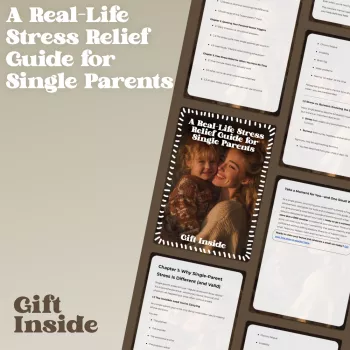
Single-Parent Stress Relief That Works in Real Life
Single parenting can feel like running a household and an emotional support system at the same time—often with little downtime. When everything depends on one adult, stress doesn’t just show up during “big” crises; it stacks in small, repeatable ways: a rushed morning, a school email at 9 p.m., an unexpected bill, a kid melting down when you’re already maxed out.
This guide focuses on simple routines you can repeat even on low-energy days—quick resets, kid-friendly calm cues, and practical boundary scripts that reduce the number of decisions you have to make. For more background on how stress affects the mind and body, the American Psychological Association and the CDC both offer helpful overviews.
Why stress hits differently when everything depends on one adult
Stress can feel sharper as a single parent because there’s less built-in handoff time. If you’re the only consistent decision-maker, you’re carrying both visible tasks (work, school pickup, meals) and invisible tasks (remembering forms, anticipating needs, tracking appointments).
Common stress loops
Four loops tend to keep stress high: constant decision-making, time scarcity, financial pressure, and carrying the full mental load. Even “small” choices—what’s for dinner, who needs what tomorrow, how to handle behavior—add up when you’re tired.
Hidden drains that amplify overwhelm
Inconsistent sleep, irregular meals, too many micro-tasks, and lack of recovery time quietly raise the baseline. When recovery disappears, every interruption feels like an emergency.
Signs stress is tipping into burnout
Watch for irritability, emotional numbness, frequent headaches, forgetfulness, and feeling stuck in survival mode. These aren’t moral failures; they’re signals that your system is overloaded.
A realistic goal
The aim isn’t to eliminate stress entirely. It’s to reduce the intensity and frequency of stress spikes—so you can recover faster and keep your home steady even when the day goes sideways.
The 10-minute reset: a quick routine for mornings, mid-day, and bedtime
A “reset” works best when it’s short enough that you’ll actually do it. The goal is to interrupt the stress response and narrow your focus to one next step.
| Time of day | What to do | Why it helps |
|---|---|---|
| Morning | Drink water, open curtains, choose 1 must-do | Reduces fog and decision overload |
| Mid-day | 3 slow exhales, unclench jaw/shoulders, set a 5-minute timer | Downshifts stress response quickly |
| Night | Write 3 bullets: done / tomorrow / delegate | Prevents rumination and improves sleep onset |
Morning (2–4 minutes)
Start with water, a tiny bit of light movement (shoulder rolls, calf raises, a hallway stretch), and pick one small priority that creates traction. One must-do is enough. If you choose five, your brain treats it like none.
Mid-day (3 minutes)
Pause. Take slow-exhale breaths (longer exhale than inhale), unclench your jaw and drop your shoulders, then decide the “next best step.” Not the whole plan—just the next step.
Evening (3–5 minutes)
Do a quick shut-down list: what’s done, what can wait, and what can be delegated (even if delegation is “ask tomorrow”). Add one calming cue: tea, a warm shower, a song, or dim lights.
If kids interrupt
Use a reset phrase like: “Pause—starting over.” Then restart without self-criticism. The reset still counts even if it takes three tries.
Calm routines that work with kids (not against them)
Strict schedules can backfire in a single-parent home because one delay can collapse the whole day. Instead, build anchors: one consistent step that signals what comes next.
Use anchors instead of strict schedules
Create a 2-minute launchpad
Make transitions easier
Reduce repeat negotiations
Emotional support without “finding more time”
Build a micro-support system
Use one default message for tough days
Swap tasks, not intentions
Professional support options
Community mental health clinics, employer EAP programs, school counselor referrals, and teletherapy can fit into short windows. If you’re unsure where to start, the National Institute of Mental Health offers practical guidance on stress and when to seek help.
Boundaries that lower stress fast: scripts for common pressure points
Work
Family
Co-parenting or coordination
Kids
When guilt spikes
When stress shows up in the body: sleep, screens, and simple relief habits
Sleep protection
Screen overload
Food and hydration basics
If symptoms persist
A practical guide that organizes these routines into a usable plan
If having everything in one place would help, A Real-Life Stress Relief Guide for Single Parents (Practical eBook) is designed around quick resets, calm routines, emotional support ideas, and scripts that fit limited time and energy.
If screens are a major trigger—eye strain, tension headaches, or end-of-day brain fog—Screen Headaches Solved (Digital Guide) focuses on practical screen habits and relief strategies you can use between tasks.
FAQ
What is the fastest way to calm down when parenting stress spikes?
Do a 2–3 minute reset: take slow exhales, unclench your jaw and shoulders, and name a single next action (one phone call, one email, one snack, one shower). Reducing decisions to one step at a time lowers the stress surge quickly.
How can a single parent build routines that actually stick?
Use anchors and minimum-viable routines: one small step you repeat even on hard days. Set up your environment (a launchpad, a bedtime basket) and pre-decide weekday rules so you aren’t renegotiating everything when you’re tired.
When should stress be treated as a health concern rather than “just a tough season”?
If you have persistent insomnia, panic symptoms, frequent headaches, signs of depression, or you’re struggling to function day to day, it’s time to reach out to a clinician or mental health professional. Getting support early can prevent stress from becoming a longer-term health issue.















Leave a comment