-
Shop
- Advanced Technologies
- AI Skills
- Apple Accessories
- Bathroom
- Best-Sellers
- Car Accessories
- Car Buying & Ownership
- Confidence
- Dating & Social Skills
- Digital Resources
- AI & Technology
- Beauty
- Electronics & Technology
- Emotional Intelligence
- Home Styling & Organization
- Kitchen & Recipes
- Mindfulness
- Mindset
- Online Business
- Parenting & Child Development
- Personal Style & Fashion
- Pet Lifestyle & Wellness
- Positive Thinking
- Productivity
- Self Confidence
- Sleep Improvement
- Smart Life with AI
- Stress Management & Relaxation
- Wellness
- Yoga & Mind-Body Practices
- Education & Learning
- Family & Parenting
- Fashion
- Furniture
- Gadgets
- Health & Beauty
- Health & Wellness
- Home & Garden
- Home Decor
- Home Electronics
- Jewelry
- Kids & Babies
- Kitchen
- Legend Footwear Brands Collection
- Lighting
- Nike
- Patio, Lawn & Garden
- Personal Growth
- Pet Care
- Pet Supplies
- Pets
- Smart Amazon Shopping
- Sport & Outdoors
- Travel
- Travel & Adventure
- Wealth
- Wealth Building
- Budgeting & Saving
- Cryptocurrency Investing
- Debt Management
- Entrepreneurship & Business Growth
- Family Finance & Budgeting
- Financial Independence
- Financial Mindset & Psychology
- Financial Planning
- Frugal Living & Expense Hacks
- Goal Setting
- High-Income Skills
- Investing Basics
- Leadership
- Motivation
- Networking & Mentorship
- Passive Income Strategies
- Real Estate Investing
- Side Hustles
- Stock Market Investing
- Popular
- Best deals
Nike Daily Shoes Checklist: Fit, Cushioning & Support
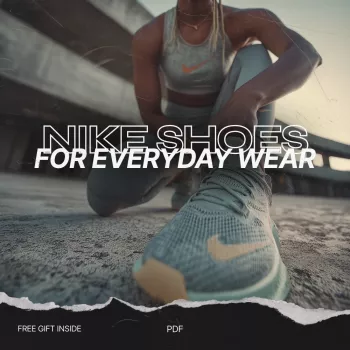
The Nike Shoes Checklist for Everyday Wear: Find the Perfect Pair for Daily Comfort
Everyday shoes need to handle long hours, varied surfaces, and changing plans without leaving feet tired. Use this checklist to narrow down the right Nike pair based on fit, cushioning, stability, materials, and how the shoe matches a typical day.
Start With the Non-Negotiables for Daily Comfort
- Fit first: a secure heel, a roomy toe box, and no pinching across the midfoot.
- Cushioning level: go softer for lots of standing and walking; choose a firmer ride for better ground feel and stability.
- Support needs: neutral models can work well for even wear patterns; structured options add guidance if you need it.
- Weight and flexibility: lighter shoes with moderate flexibility often feel less tiring for errands and commuting.
- Breathability and temperature: mesh helps in warm climates; denser uppers can feel better in cooler months or drafty commutes.
If you want a quick, printable way to compare these factors before buying, see The Nike Shoes Checklist for Everyday Wear: Find the Perfect Pair for Daily Comfort.
Get the Fit Right: Sizing, Width, and Foot Shape
- Measure at the end of the day: feet swell slightly; base sizing on the larger foot.
- Leave toe space: about a thumb’s width in front of the longest toe helps reduce pressure on long walks.
- Check width: if the upper bulges or feels tight across the ball of the foot, try a wider fit or a different shape/last.
- Lockdown test: walk up a small incline; minimal heel slip helps prevent blisters.
- Sock test: try on with your real-life socks (thin no-shows vs. thicker work socks).
Quick fit check before committing
| Checkpoint | What to feel | Common fix if it fails |
|---|---|---|
| Toe room | Toes can wiggle; no pressure on big toe joint | Size up 0.5 or choose a roomier toe box |
| Midfoot security | Laces hold without cutting in; no arch pinching | Adjust lacing pattern or try a different width |
| Heel hold | Minimal heel slip; stable on turns | Use runner’s loop or pick a model with a firmer heel counter |
| Walk test | No rubbing at collar or forefoot crease | Change sock height or switch to a smoother lining/upper |
For a reliable starting point on length and width, reference the Nike Size Charts and then confirm with an in-person walk test when possible.
Match Cushioning and Midsole Feel to Your Day
- All-day standing (retail, events): prioritize consistent cushioning and a stable base over maximum softness.
- High-step days (city walking): look for shock absorption plus a smoother, rocker-like transition to reduce calf fatigue.
- Mixed indoor/outdoor: choose durable outsole rubber and traction patterns that handle smooth floors and sidewalks.
- If knees or hips feel beat up: a little more cushioning and a smoother heel-to-toe transition can make long days feel easier.
- If ankles feel wobbly: avoid overly soft platforms; look for a wider base and supportive heel structure.
A practical way to judge “daily comfort” is how your body feels after a normal day—not just how plush the foam feels for the first five minutes.
Stability, Arch Support, and When to Use Insoles
- Neutral vs. supportive: choose the amount of structure that keeps your foot tracking comfortably without feeling forced.
- Check old shoe wear: heavy inward collapse or fast inner-heel wear can signal you’ll do better with more stability.
- Removable insoles: make it easier to swap orthotics and adjust volume for a secure fit.
- Arch comfort check: support should feel like gentle contact, not a hard ridge.
- If using orthotics: size the shoe around the orthotic first, then fine-tune using lacing and sock thickness.
For general foot-health guidance and red flags that shouldn’t be ignored, the American Podiatric Medical Association (APMA) is a helpful resource.
Upper Materials and Practical Details That Improve Daily Wear
- Breathable mesh: reduces heat buildup on long days, especially in warm climates and indoor-heavy routines.
- Structured overlays: add durability and lateral support if you walk fast, carry a bag, or take quick turns.
- Easy entry features: padded tongues, pull tabs, and smooth linings help when shoes go on/off multiple times a day.
- Outsole durability: thicker rubber in high-wear zones (heel and forefoot) matters if pavement is your norm.
- Care plan: lighter colors show wear faster; wipe-clean materials can be easier for true daily use.
Everyday Use Cases: Pick the Pair That Matches Your Routine
Routine-to-shoe checklist
| Daily routine | Top priorities | Nice-to-have details |
|---|---|---|
| Mostly walking (6k–12k steps) | Cushioning + smooth transition + breathable upper | Rocker-like feel, lighter weight |
| Mostly standing | Stable base + consistent cushioning | Roomier toe box, supportive heel counter |
| Mixed errands + driving | Flexible forefoot + easy entry | Grippy outsole for wet parking lots |
| Travel and sightseeing | All-day comfort + durable outsole | Easy cleaning, extra lace options |
| Office casual | Comfort + simple design | Neutral colors, minimal bulk |
Long commutes can also mean more screen time (tickets, maps, meetings). If headaches often tag along with your daily routine, consider pairing better footwear habits with Screen Headaches Solved – A Practical Digital Guide to Headaches From Screen Overuse, Eye Strain Relief & Smart Screen Habits.
Rotation, Break-In, and When to Replace
FAQ
How much space should be in front of the toes for everyday shoes?
Aim for about a thumb’s width between your longest toe and the end of the shoe. Confirm your toes can wiggle and that nothing rubs the top or sides during a short walk test.
Are softer shoes always better for all-day comfort?
No—very soft cushioning can feel unstable and can increase fatigue for some people. Many daily routines feel best with balanced cushioning paired with a stable base.
How often should everyday walking shoes be replaced?
It depends on your mileage, surfaces, and body weight, but reassess when cushioning feels flattened, traction drops, or new aches show up. If you walk frequently, checking wear and comfort every few months helps you catch problems early.













Leave a comment