-
Shop
- Advanced Technologies
- AI Skills
- Apple Accessories
- Armani
- Bathroom
- Best-Sellers
- Calvin Klein
- Car Accessories
- Car Buying & Ownership
- Confidence
- Dating & Social Skills
- Digital Resources
- AI & Technology
- Beauty
- Electronics & Technology
- Emotional Intelligence
- Home Styling & Organization
- Kitchen & Recipes
- Mindfulness
- Mindset
- Online Business
- Parenting & Child Development
- Personal Style & Fashion
- Pet Lifestyle & Wellness
- Positive Thinking
- Productivity
- Self Confidence
- Sleep Improvement
- Smart Life with AI
- Stress Management & Relaxation
- Wellness
- Yoga & Mind-Body Practices
- Education & Learning
- Family & Parenting
- Fashion
- Furniture
- Gadgets
- Health & Beauty
- Health & Wellness
- Home & Garden
- Home Decor
- Home Electronics
- Jewelry
- Kids & Babies
- Kitchen
- Legend Footwear Brands Collection
- Lighting
- Luxury Brands Collection
- Nike
- Patio, Lawn & Garden
- Personal Growth
- Pet Care
- Pet Supplies
- Pets
- Smart Amazon Shopping
- Sport & Outdoors
- Travel
- Travel & Adventure
- Wealth
- Wealth Building
- Budgeting & Saving
- Cryptocurrency Investing
- Debt Management
- Entrepreneurship & Business Growth
- Family Finance & Budgeting
- Financial Independence
- Financial Mindset & Psychology
- Financial Planning
- Frugal Living & Expense Hacks
- Goal Setting
- High-Income Skills
- Investing Basics
- Leadership
- Motivation
- Networking & Mentorship
- Passive Income Strategies
- Real Estate Investing
- Side Hustles
- Stock Market Investing
- Popular
- Best deals
Feel Calmer & More Grounded Daily: Quick Stress Tools
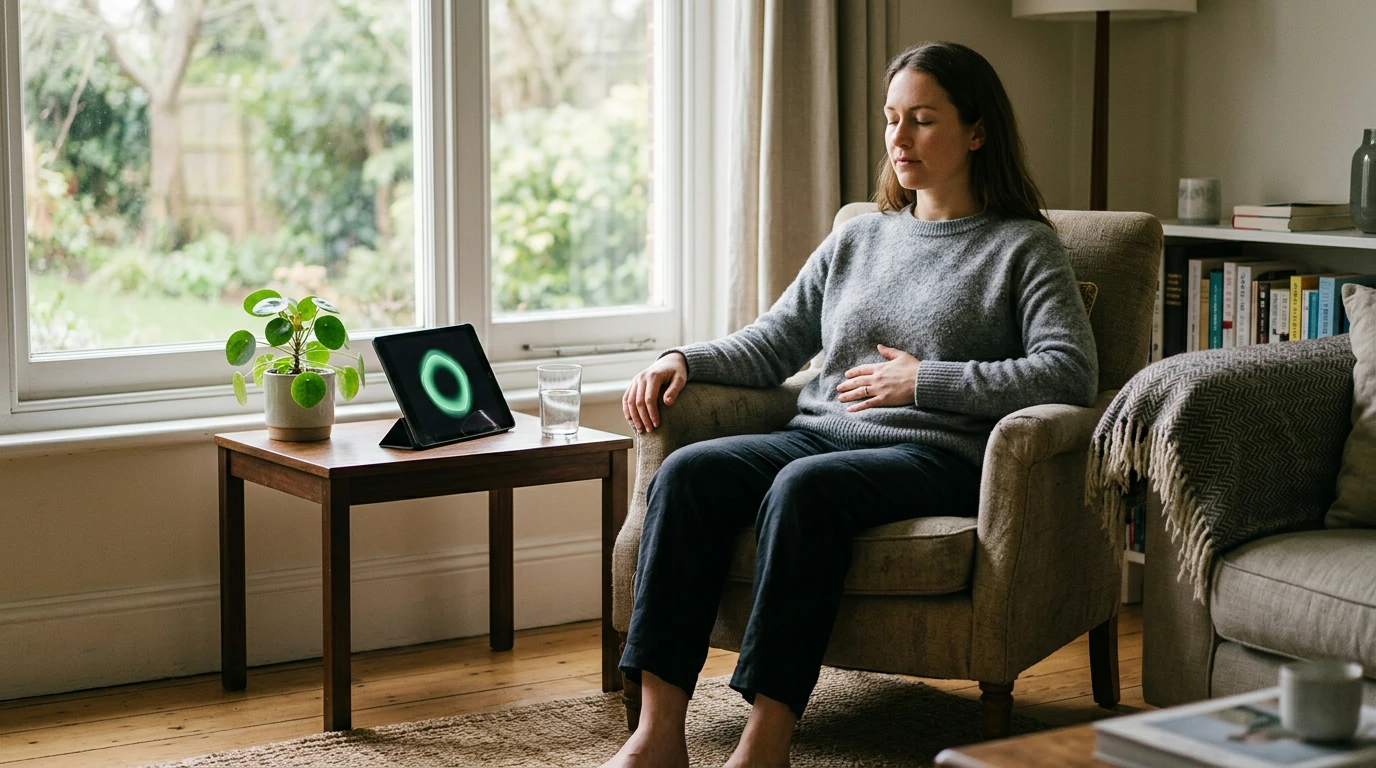
Easy Ways to Feel Calmer and More Grounded Every Day
Feeling keyed up doesn’t always require a major life overhaul. Small, repeatable practices—done in the moment and layered into a simple routine—can lower stress, steady attention, and help the body feel safer. Below is a practical set of calming options you can mix and match, plus a quick daily plan you can follow when decision fatigue hits.
What “calm and grounded” actually feels like
- Calm often shows up as slower breathing, less muscle tension, and fewer stress signals (racing heart, clenched jaw, shallow breath).
- Grounded means attention returns to the present moment; thoughts feel less “spun out” and more organized.
- Progress often looks like faster recovery after stress, not zero stress.
- Consistency beats intensity—short practices repeated daily tend to stick.
A quick reset toolkit for anxious moments
When anxiety spikes, the goal is to shift your body first. Then your mind usually follows.
- Physiological sigh: take two inhales through your nose (the second one smaller), then a long exhale through your mouth. Do 1–3 rounds to downshift quickly.
- 5-4-3-2-1 senses scan: name 5 things you see, 4 you feel, 3 you hear, 2 you smell, 1 you taste.
- Temperature change: hold a cool drink, splash cool water, or step outside briefly to interrupt spiraling.
- Unclench routine: drop shoulders, relax tongue from the roof of the mouth, soften the belly, release fists.
- Orienting: slowly look left-to-right and name safe/neutral objects to cue “right now is okay.”
If symptoms feel intense or unfamiliar, it can help to review trusted guidance on anxiety and stress, like the National Institute of Mental Health (NIMH) overview of anxiety disorders.
Daily grounding habits that don’t require extra time
Grounding works best when it’s attached to routines you already have—so you’re not relying on motivation.
- Anchor habit: pair a 30–60 second calming practice with something automatic (making coffee, brushing teeth, opening your laptop).
- Micro-movement breaks: 1 minute of neck rolls, shoulder circles, or a short walk can discharge tension.
- Hydration check: dehydration can amplify stress sensations; add a glass of water to morning and mid-afternoon.
- Light and air: step near a window or outside for 2–5 minutes to reset alertness and mood.
- Transition rituals: before switching tasks, take 3 slow breaths and decide the single next step.
Breathing and body-based relaxation that works in real life
- Box breathing: inhale 4, hold 4, exhale 4, hold 4 for 2–4 minutes when you need steady focus.
- Longer exhale breathing: inhale 4, exhale 6–8 to engage the body’s calming response.
- Progressive muscle relaxation: tense-release from feet to face to reduce “background” tension.
- Jaw and face release: massage temples, relax the tongue, and place lips gently together (no clenching).
- Grounding through pressure: a heavier blanket, a firm pillow hug, or feet planted firmly can feel stabilizing.
For additional breathing ideas you can rotate in, the NHS has a helpful guide to breathing exercises for stress.
Thought patterns to gently interrupt worry spirals
You don’t have to “win” against worry. The skill is noticing it sooner and choosing a small redirect.
- Name the state: “This is anxiety.” Labeling can reduce the sense of danger.
- Containment: schedule a 10-minute “worry window” later; when worries appear, jot them down and return to now.
- Reality check prompts: “What do I know for sure?” “What is the next helpful action?” “What can wait?”
- Reduce mental load: convert looping thoughts into a short checklist (even 3 bullets helps).
- Self-talk that calms: short phrases like “Noticing and returning” or “One step at a time.”
If you want a broader overview of practical stress skills, the American Psychological Association (APA) stress management resources are a solid starting point.
Create a calmer environment (especially with screens)
If screen time is a major trigger for tension, headaches, or that “wired” feeling, Screen Headaches Solved – A Practical Digital Guide to Headaches From Screen Overuse, Eye Strain Relief & Smart Screen Habits can help you build gentler screen routines without guessing.
A simple daily plan you can follow
| Time | Goal | Practice options | Duration |
|---|---|---|---|
| Morning | Start steady | Physiological sigh + set one priority | 1–2 min |
| Midday | Reduce buildup | Short walk or stretch + longer exhale breathing | 3–5 min |
| Afternoon | Refocus | Box breathing + single next step list | 2–4 min |
| Evening | Downshift | Progressive muscle relaxation or senses scan | 5–10 min |
| Anytime | Interrupt spirals | 5-4-3-2-1 + orienting to the room | 1–3 min |
Using the digital guide to build a routine that sticks
For a structured, easy-to-follow collection of tools you can rotate through, Easy Ways To Feel Calmer And More Grounded Every Day | Digital eBook keeps the basics in one place—especially helpful when stress makes it hard to decide what to try.
When extra support is a good idea
FAQ
What is the fastest way to calm down when anxiety hits?
Try a body-first reset: 1–3 rounds of the physiological sigh, longer exhales (inhale 4, exhale 6–8), or a quick temperature change like cool water on your hands. Then choose one small next action (drink water, step outside, or write a single bullet of what you’ll do next).
How can I feel grounded if I can’t meditate?
Grounding can be active: orient to the room by naming neutral objects, take a brief walk, do progressive muscle relaxation, or use steady pressure like a firm pillow hug with feet planted. The goal is simply to return attention to “right here, right now.”
How long does it take for calming habits to work?
Many techniques can reduce intensity within minutes, especially breath, temperature, and sensory grounding. Longer-term baseline changes usually build with short daily repetition over about 2–4 weeks, so keeping practices tiny and consistent matters most.
Recommended for you


Hanging Wall Mirror Ideas for Entry, Living & Dining
Sep 26, 2026










Leave a comment