-
Shop
- Advanced Technologies
- AI Skills
- Apple Accessories
- Armani
- Bathroom
- Best-Sellers
- Calvin Klein
- Car Accessories
- Car Buying & Ownership
- Confidence
- Dating & Social Skills
- Digital Resources
- AI & Technology
- Beauty
- Electronics & Technology
- Emotional Intelligence
- Home Styling & Organization
- Kitchen & Recipes
- Mindfulness
- Mindset
- Online Business
- Parenting & Child Development
- Personal Style & Fashion
- Pet Lifestyle & Wellness
- Positive Thinking
- Productivity
- Self Confidence
- Sleep Improvement
- Smart Life with AI
- Stress Management & Relaxation
- Wellness
- Yoga & Mind-Body Practices
- Education & Learning
- Family & Parenting
- Fashion
- Furniture
- Gadgets
- Health & Beauty
- Health & Wellness
- Home & Garden
- Home Decor
- Home Electronics
- Jewelry
- Kids & Babies
- Kitchen
- Legend Footwear Brands Collection
- Lighting
- Luxury Brands Collection
- Nike
- Patio, Lawn & Garden
- Personal Growth
- Pet Care
- Pet Supplies
- Pets
- Smart Amazon Shopping
- Sport & Outdoors
- Travel
- Travel & Adventure
- Wealth
- Wealth Building
- Budgeting & Saving
- Cryptocurrency Investing
- Debt Management
- Entrepreneurship & Business Growth
- Family Finance & Budgeting
- Financial Independence
- Financial Mindset & Psychology
- Financial Planning
- Frugal Living & Expense Hacks
- Goal Setting
- High-Income Skills
- Investing Basics
- Leadership
- Motivation
- Networking & Mentorship
- Passive Income Strategies
- Real Estate Investing
- Side Hustles
- Stock Market Investing
- Popular
- Best deals
Hanging Wall Mirror Ideas for Entry, Living & Dining
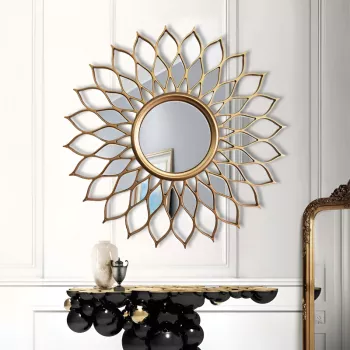
Wall Decoration Hanging Mirror for Entrance, Living Room, and Dining Room
A hanging mirror can do more than reflect—it can brighten dark corners, open up tight spaces, and add a focal point that feels intentional. Placed in an entrance, living room, or dining room, the right wall mirror helps balance proportions, improves everyday function, and ties décor elements together without adding clutter. Whether your style leans modern, transitional, or classic, a well-placed mirror adds polish while making the room feel more welcoming.
What a Hanging Mirror Adds to an Entrance, Living Room, or Dining Room
A wall-hung mirror is one of the most efficient décor upgrades because it improves both looks and livability. Instead of taking up floor space like a leaning mirror or extra furniture, it uses vertical real estate to do a lot of work at once.
- Creates an instant focal point on a blank wall while keeping floor space open
- Boosts light by reflecting windows, lamps, and candles into the room
- Helps small or narrow areas feel wider—especially near entrances and corridors
- Improves daily convenience: last-look checks near the door, quick outfit checks, and a brighter feel in dining spaces
- Adds structure to a room’s “visual center,” especially when furniture is low-profile or minimal
To make the effect feel intentional, pay attention to what the mirror reflects. When the reflection shows a window, a light fixture, or a clean vignette, the whole room feels more composed.
Where It Works Best: Placement Ideas by Room
Placement is where mirrors go from “nice” to “transformative.” The best spot is usually the one that improves light and sightlines without bouncing back visual clutter.
- Entrance: hang above a slim console table or shoe cabinet; align the mirror’s center roughly at eye level for a comfortable last-look check
- Entrance: place opposite a light source (window or pendant) to bounce brightness into the hallway
- Living room: position above a sofa, credenza, or mantel to anchor the seating area without needing extra wall art
- Living room: use it to reflect a statement element—plants, artwork, or a chandelier—so the room feels layered
- Dining room: place on the wall adjacent to the dining table to reflect candlelight and create a warmer atmosphere
- Dining room: avoid placing it where it reflects clutter-prone zones (open shelves, busy countertops) to keep the effect calm
Quick placement guide
| Room | Best spot | What it improves | Tip to get it right |
|---|---|---|---|
| Entrance | Above console/shoe cabinet | Brightness + daily function | Keep center near eye level; leave breathing room above furniture |
| Living room | Above sofa/sideboard/mantel | Focal point + depth | Match mirror width to furniture scale (not too small) |
| Dining room | Side wall or near buffet | Warmth + ambiance | Angle to reflect light sources, not clutter |
Choosing the Right Size and Shape for a Balanced Look
Scale is the detail that makes a mirror look “designer” instead of accidental. A mirror that’s too small can look like it’s floating with no purpose; too large can dominate the wall and visually crowd nearby furniture.
- Use proportion: a mirror that is too small looks lost; one that’s too large can overpower nearby furniture
- For consoles and buffets, a common rule is choosing a mirror about two-thirds to three-quarters the width of the furniture below
- Vertical shapes elongate walls and help narrow spaces feel taller; wider shapes can calm tall ceilings and visually stretch a room
- Round and soft-edged designs reduce sharp lines in modern interiors; angular silhouettes feel crisp and architectural
- If the wall already has strong patterns (paneling, wallpaper, gallery walls), a simpler mirror outline often looks more cohesive
If you’re deciding between two sizes, the larger option is often more effective in an entrance or dining room—especially when you want to amplify light. In a smaller living room, however, leaving more negative space around the mirror can help the wall feel calmer.
Styling Combinations That Look Intentional
Hanging and Safety Notes for Everyday Use
Because hanging mirrors add weight to the wall, secure installation matters. If you’re unsure about hardware or wall types, it’s worth reviewing a reliable guide like This Old House’s overview of anchors and fasteners before you start.
For general mounting height, museum-style guidelines are a helpful reference point; the National Gallery of Art’s hanging height guidance offers practical alignment principles that translate well to mirrors.
Featured Option
If you want one piece that can work across high-traffic areas, consider the Wall Decoration Hanging Mirror for Entrance, Living Room, and Dining Room. It’s designed to serve as both décor and a functional reflective piece for frequently used spaces, from quick checks by the door to adding depth above a living room sideboard.
To complete a dining-room setup, a small storage accent can keep the buffet surface tidy. The Elegant Golden Glass Seasoning Jar with Lid – Kitchen Storage Solution is a simple way to add a warm metallic touch while keeping everyday essentials contained.
FAQ
What height should a hanging mirror be in an entrance?
Center the mirror around eye level for most adults, then adjust slightly if it sits above a console so it doesn’t feel crowded. Double-check door swing clearance and make sure the reflection isn’t cutting off faces or reflecting a messy drop zone.
Should a dining room mirror face the table or a window?
Position it to reflect a light source (like a window or chandelier) for a brighter, warmer feel. Avoid angles that reflect clutter, and watch for glare during strong afternoon sun—small shifts can make a big difference.
How do you choose the right mirror size above a console or buffet?
A reliable guideline is choosing a mirror about two-thirds to three-quarters the width of the furniture underneath. Keep proportions balanced with ceiling height and leave some visual “breathing room” above the mirror so the wall doesn’t feel overfilled.








Leave a comment