-
Shop
- Advanced Technologies
- AI Skills
- Apple Accessories
- Armani
- Bathroom
- Best-Sellers
- Calvin Klein
- Car Accessories
- Car Buying & Ownership
- Confidence
- Dating & Social Skills
- Digital Resources
- AI & Technology
- Beauty
- Electronics & Technology
- Emotional Intelligence
- Home Styling & Organization
- Kitchen & Recipes
- Mindfulness
- Mindset
- Online Business
- Parenting & Child Development
- Personal Style & Fashion
- Pet Lifestyle & Wellness
- Positive Thinking
- Productivity
- Self Confidence
- Sleep Improvement
- Smart Life with AI
- Stress Management & Relaxation
- Wellness
- Yoga & Mind-Body Practices
- Education & Learning
- Family & Parenting
- Fashion
- Furniture
- Gadgets
- Health & Beauty
- Health & Wellness
- Home & Garden
- Home Decor
- Home Electronics
- Jewelry
- Kids & Babies
- Kitchen
- Legend Footwear Brands Collection
- Lighting
- Luxury Brands Collection
- Nike
- Patio, Lawn & Garden
- Personal Growth
- Pet Care
- Pet Supplies
- Pets
- Smart Amazon Shopping
- Sport & Outdoors
- Travel
- Travel & Adventure
- Wealth
- Wealth Building
- Budgeting & Saving
- Cryptocurrency Investing
- Debt Management
- Entrepreneurship & Business Growth
- Family Finance & Budgeting
- Financial Independence
- Financial Mindset & Psychology
- Financial Planning
- Frugal Living & Expense Hacks
- Goal Setting
- High-Income Skills
- Investing Basics
- Leadership
- Motivation
- Networking & Mentorship
- Passive Income Strategies
- Real Estate Investing
- Side Hustles
- Stock Market Investing
- Popular
- Best deals
Healthy Terrarium Setup: Heat, Light & Hides That Work
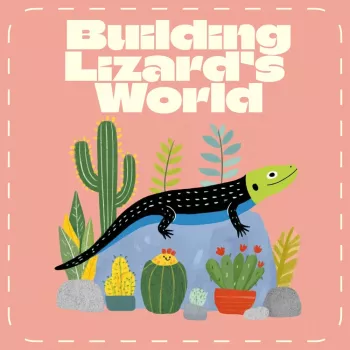
The Art of Building a Lizard’s World: a calm, repeatable way to design a healthy terrarium
A great lizard habitat isn’t just décor—it’s a working system for heat, light, security, hydration, and the daily routines you’ll repeat for years. When you build that system on purpose, your lizard gets the chance to self-regulate, explore confidently, and settle into predictable rhythms. Our team created The Art of Building a Lizard’s World (digital terrarium setup guide) to help you plan the layout, choose equipment with intent, and stabilize a habitat for bearded dragons, geckos, and other common pet lizards—without guesswork or constant re-doing.
Start with the “habitat triangle”: heat, light, and security
Before you pick a background, a substrate, or a single piece of décor, lock in the three factors that make a terrarium feel “livable” to a reptile: heat, light, and security. When these three work together, everything else becomes easier to tune.
- Heat: Build a gradient (warm side to cool side) so your lizard can self-regulate instead of being stuck at one temperature.
- Light: Match lighting to species needs (especially for day-active lizards) and keep a consistent day/night schedule.
- Security: Prioritize hides, predictable pathways, and visual cover. A lizard that feels exposed often eats less and explores less.
Design tip: Place the primary basking or warm-zone feature first. Then add hides and climbing elements that let your lizard choose how visible or concealed it wants to be at any moment.
Quick planning checklist by common pet type (baseline starting points to refine)
| Pet type | Enclosure size baseline | Heat zone approach | UVB/lighting notes | Humidity direction | Substrate direction |
|---|---|---|---|---|---|
| Bearded dragon (adult) | Often 4×2×2 ft (or larger) | Strong basking zone + cooler retreat; wide gradient matters | Typically benefits from UVB and bright daytime lighting | Low to moderate; offer hydration options safely | Solid, easy-clean or well-managed naturalistic options; avoid loose substrates for juveniles unless confidently managed |
| Leopard gecko (adult) | Often 36×18 in footprint (or larger) | Warm hide + cooler hide; provide multiple “microclimates” | Lower-light species; UVB can be used carefully depending on setup | Generally low to moderate with a humid hide option | Stable, low-dust options; prioritize footing and cleanliness |
| Crested gecko (adult) | Often 18×18×24 in vertical (or larger) | Gentle warmth; avoid overheating; offer cooler perches | Moderate light; avoid intense basking heat | Moderate to higher with routine misting and ventilation balance | Textured, humidity-friendly options; focus on mold control and airflow |
Design the layout like a map: zones, pathways, and “choice points”
When a terrarium works, it feels like a small landscape with options—not a decorated box. The easiest way to build that is to map the enclosure in zones and travel routes.
Choose equipment with a purpose (and keep it measurable)
Daily/weekly checks that prevent most setup problems
| Check | How often | What to look for | Common fix |
|---|---|---|---|
| Warm-zone temperature | Daily at first, then weekly | Too hot or too cool compared to target range | Adjust heat source height, wattage, or thermostat setting |
| Cool-zone temperature | Daily at first, then weekly | No real gradient (both sides similar) | Reposition heat source to one side; improve insulation/vent placement |
| Humidity trend | Daily for humidity-sensitive species | Spikes that linger or overly dry dips | Modify misting, add ventilation, or adjust water bowl placement |
| Lighting schedule | Weekly | Inconsistent day/night cycle | Use a timer; replace bulbs on schedule |
Substrate, décor, and enrichment: build for cleanliness first, aesthetics second
From setup day to “stable habitat”: a simple ramp-up routine
Use the eBook as a build plan, not a one-time read
Our goal with The Art of Building a Lizard’s World is to give you a repeatable method you can revisit whenever something changes—new enclosure size, seasonal room-temperature swings, or your lizard aging into different needs. Keep it open while you arrange zones so each décor choice supports heat control, security, and movement, then return to it when you need to troubleshoot without overcorrecting.
If you like digital tools that keep routines consistent, our team also offers Screen Headaches Solved – A Practical Digital Guide to Headaches From Screen Overuse to help you build healthier screen habits during research and setup days, and Master Amazon Subscribe & Save in 10 Easy Steps – Printable Checklist if you’re the type who likes checklists for recurring purchases and replenishment planning.
Trusted references to keep in your toolkit
- Association of Reptile and Amphibian Veterinarians (ARAV) – Resources / Find a Vet
- Merck Veterinary Manual – Reptiles
- RSPCA – Reptiles as pets (welfare guidance)
FAQ
Is this guide suitable for bearded dragons and geckos?
Yes—our guide is written for lizard owners and focuses on habitat design principles that apply well to common pet lizards, including bearded dragons and geckos. You’ll still want to match details (like UVB intensity, humidity targets, and heating style) to your exact species and individual.
What do you need before setting up a terrarium from scratch?
You’ll want the enclosure, heating and lighting equipment, monitoring tools (thermometers/hygrometers), at least two hides, water and feeding setup, and a plan for ventilation and cleaning. Before your lizard moves in, run the habitat long enough to confirm the temperature gradient and humidity trend are stable.
How do you know if a habitat design is working?
A working design shows measurable stability (a real warm-to-cool gradient and a consistent day/night schedule) and it supports normal behavior (steady appetite, predictable activity, and regular use of multiple zones). If something is off, adjust one variable at a time and give it a day or two to show you the result.











Leave a comment