-
Shop
- Advanced Technologies
- AI Skills
- Apple Accessories
- Armani
- Bathroom
- Best-Sellers
- Calvin Klein
- Car Accessories
- Car Buying & Ownership
- Confidence
- Dating & Social Skills
- Digital Resources
- AI & Technology
- Beauty
- Electronics & Technology
- Emotional Intelligence
- Home Styling & Organization
- Kitchen & Recipes
- Mindfulness
- Mindset
- Online Business
- Parenting & Child Development
- Personal Style & Fashion
- Pet Lifestyle & Wellness
- Positive Thinking
- Productivity
- Self Confidence
- Sleep Improvement
- Smart Life with AI
- Stress Management & Relaxation
- Wellness
- Yoga & Mind-Body Practices
- Education & Learning
- Family & Parenting
- Fashion
- Furniture
- Gadgets
- Health & Beauty
- Health & Wellness
- Home & Garden
- Home Decor
- Home Electronics
- Jewelry
- Kids & Babies
- Kitchen
- Legend Footwear Brands Collection
- Lighting
- Luxury Brands Collection
- Nike
- Patio, Lawn & Garden
- Personal Growth
- Pet Care
- Pet Supplies
- Pets
- Smart Amazon Shopping
- Sport & Outdoors
- Travel
- Travel & Adventure
- Wealth
- Wealth Building
- Budgeting & Saving
- Cryptocurrency Investing
- Debt Management
- Entrepreneurship & Business Growth
- Family Finance & Budgeting
- Financial Independence
- Financial Mindset & Psychology
- Financial Planning
- Frugal Living & Expense Hacks
- Goal Setting
- High-Income Skills
- Investing Basics
- Leadership
- Motivation
- Networking & Mentorship
- Passive Income Strategies
- Real Estate Investing
- Side Hustles
- Stock Market Investing
- Popular
- Best deals
BJJ Mental Health Checklist: Stress Relief & Confidence
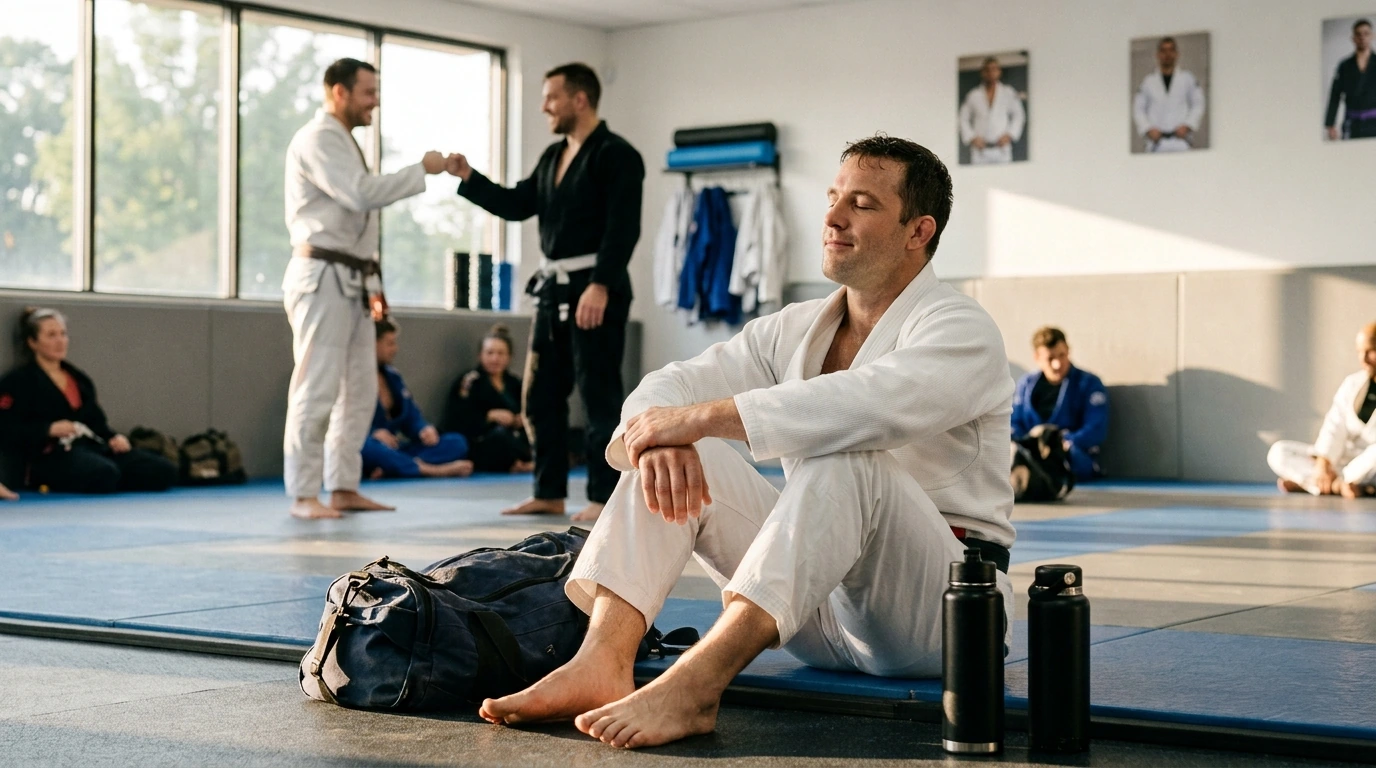
Mental Health Boosting BJJ Checklist: Stress Relief, Confidence, and Resilience on the Mats
Brazilian Jiu Jitsu can become a reliable mental reset: focused effort, safe physical exertion, and measurable progress—repeated weekly—often translate into lower stress, steadier confidence, and stronger resilience. This checklist turns those benefits into simple, repeatable actions before class, during training, and after the round so mental wins are as trackable as technical ones.
Regular exercise is widely associated with improved mood and stress regulation, and grappling adds a unique element: you practice staying present while solving problems under pressure. If you’re navigating significant anxiety, trauma, or depression, BJJ can be supportive, but it’s not a substitute for professional care. For a deeper look at how stress affects the body, see the American Psychological Association, and for how movement supports relaxation, reference Harvard Health Publishing.
What “mental health wins” from BJJ can look like
- Stress relief: shifting attention from racing thoughts to breathing, grips, posture, and problem-solving under pressure.
- Confidence: learning that discomfort is survivable, mistakes are information, and improvement is earned through reps.
- Resilience: practicing calm recovery after a bad position, a tap, or a tough round—then returning to try again.
- Social support: consistent contact with training partners can reduce isolation and create routine.
- Body–mind feedback loop: exercise, sleep quality, and mood often reinforce each other when training is balanced.
Pre-class checklist (5 minutes that changes the whole session)
- Set one mental intention: choose a single phrase like “stay curious,” “breathe first,” or “reset after every tap.”
- Name the stress level (0–10): a quick self-rating builds awareness and helps track trends over weeks.
- Pick one technical focus that supports calm: frames from bottom, grip fighting fundamentals, or guard retention posture.
- Breathing primer: 5 slow nasal breaths with long exhales; relax jaw and shoulders to reduce threat response.
- Permission to tap early: decide in advance that safety comes first; this lowers anxiety and increases learning speed.
- Micro-goal for connection: greet two people by name; small social actions build belonging over time.
If you like having something tangible to check off, the printable Mental Health Boosting BJJ Checklist – Unlock Stress Relief, Confidence & Resilience with Brazilian Jiu Jitsu makes the “show up and reset” routine easier to repeat on low-motivation days.
During training checklist (how to stay steady under pressure)
- Use a “pause cue” when adrenaline spikes: silently say “frame–breathe–move” before scrambling.
- Breathe with structure: inhale through the nose when possible; exhale during effort (bridge, shrimp, stand-up) to prevent breath-holding.
- Choose one escape ladder: commit to a simple sequence (side control: frame, hip escape, recover guard) instead of panicking.
- Track wins that aren’t submissions: a clean guard recovery, a successful grip break, or lasting 10 seconds longer in a bad spot.
- Practice the reset ritual after tapping: sit up, one slow exhale, make eye contact, fist bump, restart—no self-talk spiral.
- Use “green/yellow/red” intensity: green = technical flow, yellow = challenging but controlled, red = ego or unsafe pace; stay mostly green/yellow.
- Ask for one specific rep: “Can we start from mount with me framing?” turns anxiety into practice.
On-the-mat mental reset cues
| Moment | What it feels like | Cue to use | Quick action |
|---|---|---|---|
| Getting smashed | Tight chest, rushing | “Frame–breathe–move” | Find frames, long exhale, one hip escape |
| After a tap | Embarrassment, self-judgment | “Information, not identity” | Slow exhale, thank partner, restart position |
| Before sparring | Nerves, overthinking | “One task” | Pick a single objective: posture, grips, or guard recovery |
| When tired | Sloppy, reactive | “Slow is smooth” | Reduce pace, focus on defense and breathing |
Post-class checklist (lock in stress relief and confidence)
- Two-minute cooldown: light movement and long exhales to signal safety to the nervous system.
- Write three bullets: (1) one thing learned, (2) one small win, (3) one thing to try next time.
- Reframe the hardest moment: what happened, what was controllable (breath/frames/pace), and one adjustment for next round.
- Hydrate and fuel: stable blood sugar supports mood and reduces next-day irritability.
- Sleep protection: avoid late-night rumination—do a short “brain dump” note, then disengage with a relaxing routine.
If post-training mental fog is worsened by long hours on devices, Screen Headaches Solved – A Practical Digital Guide to Headaches From Screen Overuse, Eye Strain Relief & Smart Screen Habits can pair well with a recovery routine, especially on non-training days.
Weekly tracking (turn training into a resilience practice)
Common pitfalls (and simple fixes)
When training is balanced, exercise can be a meaningful support for mood; the NHS overview of exercise for depression highlights how movement can help many people as part of a broader plan.
Printable checklist option
To keep your routine friction-free, use Mental Health Boosting BJJ Checklist – Unlock Stress Relief, Confidence & Resilience with Brazilian Jiu Jitsu as a single page you can revisit every session—same structure, different small wins.
FAQ
Can Brazilian Jiu Jitsu help with stress and anxiety?
It can help many people by channeling attention into breathing and problem-solving, providing controlled exposure to pressure, and adding community and routine. Results depend on pacing and the gym environment, and it’s best used alongside professional support when needed.
How often should someone train BJJ for mental health benefits without burning out?
Two to three sessions per week is a practical range for many adults, especially when sleep and recovery are protected. Mixing drilling/positional work with lighter sparring days helps keep training sustainable.
What if sparring feels overwhelming or triggering?
Let your coach and partners know, start with positional sparring or drilling, and tap early without apology. Focus on simple anchors like frames and slow exhales, and step back to lower-intensity rounds until your nervous system adapts.
Recommended for you



Dry Faster, Safer: LED High-Velocity Pet Dryer Guide
Sep 16, 2026
V90 Ultra-Light Cordless Vacuum: 6-in-1, 28KPa
Sep 17, 2026













Leave a comment