-
Shop
- Advanced Technologies
- AI Skills
- Apple Accessories
- Armani
- Bathroom
- Best-Sellers
- Calvin Klein
- Car Accessories
- Car Buying & Ownership
- Confidence
- Dating & Social Skills
- Digital Resources
- AI & Technology
- Beauty
- Electronics & Technology
- Emotional Intelligence
- Home Styling & Organization
- Kitchen & Recipes
- Mindfulness
- Mindset
- Online Business
- Parenting & Child Development
- Personal Style & Fashion
- Pet Lifestyle & Wellness
- Positive Thinking
- Productivity
- Self Confidence
- Sleep Improvement
- Smart Life with AI
- Stress Management & Relaxation
- Wellness
- Yoga & Mind-Body Practices
- Education & Learning
- Family & Parenting
- Fashion
- Furniture
- Gadgets
- Health & Beauty
- Health & Wellness
- Home & Garden
- Home Decor
- Home Electronics
- Jewelry
- Kids & Babies
- Kitchen
- Legend Footwear Brands Collection
- Lighting
- Luxury Brands Collection
- Nike
- Patio, Lawn & Garden
- Personal Growth
- Pet Care
- Pet Supplies
- Pets
- Smart Amazon Shopping
- Sport & Outdoors
- Travel
- Travel & Adventure
- Wealth
- Wealth Building
- Budgeting & Saving
- Cryptocurrency Investing
- Debt Management
- Entrepreneurship & Business Growth
- Family Finance & Budgeting
- Financial Independence
- Financial Mindset & Psychology
- Financial Planning
- Frugal Living & Expense Hacks
- Goal Setting
- High-Income Skills
- Investing Basics
- Leadership
- Motivation
- Networking & Mentorship
- Passive Income Strategies
- Real Estate Investing
- Side Hustles
- Stock Market Investing
- Popular
- Best deals
Brake Noise Meanings: Squeal, Grind & When to Stop
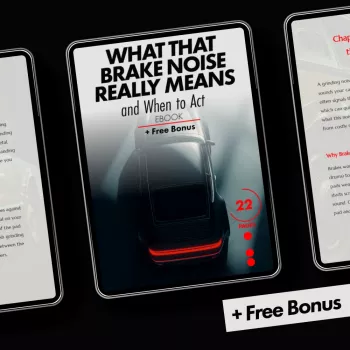
What That Brake Noise Really Means and When to Act
Brake noises are never “just annoying.” Some are harmless side effects of moisture or cold pads, while others signal unsafe wear, damaged hardware, or reduced stopping power. Use the sound you hear, the conditions you notice, and a few simple checks to decide whether to monitor, schedule service soon, or stop driving immediately.
Why brakes make noise in the first place
Brakes are built around friction, and friction can create vibration. Even when everything is working correctly, pad material can resonate against the rotor like a tiny speaker. That’s why many brake jobs include shims, anti-rattle clips, and high-temp brake grease: they’re designed to damp vibration before it turns into squeal.
Moisture is another big reason for temporary noise. After rain, washing your car, or an overnight sit, a light film of rust can form on rotors. The first few stops may produce a scrape or light grind that disappears once the rotor surface cleans up.
When noises get louder or sharper, the cause is often wear or uneven contact—worn pads, glazed rotors, uneven pad deposits, or loose components. Noise may change with temperature, speed, braking pressure, or even while turning, which is a useful clue when you’re narrowing down what’s happening.
Decode the sound: the quick meaning-and-action chart
Start by matching the sound to the most likely causes, then confirm by noting when it happens (cold vs. warm, light braking vs. hard, straight vs. turning). If the noise comes with a soft pedal, longer stopping distance, pulling, a burning smell, or warning lights, treat it as urgent.
| Sound | Most likely causes | When it happens | What to do next |
|---|---|---|---|
| High-pitched squeal | Pad wear indicator contacting rotor; pad material vibration; glazed pads/rotors | Light braking, especially at low speed | Inspect pad thickness soon; if wear indicator suspected, schedule service promptly |
| Grinding / metal-on-metal | Pads worn through; rotor damage; debris between pad and rotor | Any braking, often worsening rapidly | Stop driving if possible; tow or service immediately to prevent rotor/caliper damage |
| Clicking / clunk | Loose caliper hardware; worn slide pins; pad movement; suspension or wheel bearing issues | Initial brake application or direction changes | Service soon; check torque/hardware; avoid hard driving until inspected |
| Scraping after rain or overnight | Surface rust on rotors; moisture on pads | First few stops, then fades | Monitor; if it persists beyond a short drive, inspect for stuck caliper or excessive rust |
| Squeal only when reversing | Pad/rotor edge interaction; missing shims; drum brake adjustment issues | Backing up, light pressure | Inspect at next maintenance; sooner if it becomes constant or braking feel changes |
| Pulsing with noise | Rotor thickness variation; uneven pad deposits; ABS engagement on slippery surfaces | Braking from speed; sometimes felt in pedal/steering | If ABS-related on slick roads, normal; otherwise schedule inspection and rotor measurement |
| Hissing / whoosh | Brake booster vacuum assist sound; normal hydraulic movement | Pedal application, often with engine running | Usually normal; investigate if pedal becomes hard or stopping distance increases |
Red flags that mean “act now”
Some symptoms move brake noise from “schedule an inspection” to “stop driving.” If any of the following show up, treat it as urgent:
- Grinding, loud continuous scraping, or a sudden change in braking feel (soft/spongy or very hard pedal).
- Car pulls to one side under braking, steering wheel shakes heavily, or the brake pedal sinks toward the floor.
- Brake warning light, ABS light, or a low brake fluid level (fluid loss can indicate a leak).
- Burning smell, smoke near a wheel, or one wheel that feels unusually hot (possible sticking caliper).
- Longer stopping distances or needing more pedal pressure than usual.
For general brake safety and warning signs, reference NHTSA and AAA’s car care resources.
Simple checks that narrow down the cause (no special tools)
A few observations can save time and help you describe the issue clearly at the shop:
For an overview of brake fluid standards and why the correct DOT rating matters, see the FMVSS 116 (DOT brake fluid) summary.
Common fixes a shop may recommend (and why)
Preventing brake noise from coming back
A step-by-step reference for diagnosing sounds and deciding what to do
For a deeper, printable breakdown of sounds, causes, and action thresholds, see What That Brake Noise Really Means and When to Act – Ultimate eBook Guide for Car Owners.
Related digital downloads
- Screen Headaches Solved – A Practical Digital Guide to Headaches From Screen Overuse, Eye Strain Relief & Smart Screen Habits
- Master Amazon Subscribe & Save in 10 Easy Steps – Printable Checklist for Beginners | Digital Download | Learn How Does Amazon Subscribe and Save Work
FAQ
Is it safe to drive if brakes are squeaking but still stop normally?
Sometimes, yes—light squeaking can come from moisture, cold pads, or minor vibration. However, if the squeal is persistent, gets louder, or you suspect a wear indicator, schedule an inspection soon and treat any change in pedal feel, pulling, or warning lights as urgent.
What does a grinding noise mean when braking?
Grinding often means the pads are worn through and metal is contacting the rotor, which can quickly damage rotors and calipers and reduce safe stopping. If you hear grinding, avoid driving and arrange immediate service or a tow.
Why do brakes make noise after it rains or the car sits overnight?
Moisture can leave a thin film on the rotors that creates light scraping during the first few stops, and that typically fades quickly. If the noise persists beyond a short drive or comes with pulling, heat, or a burning smell, get the brakes inspected for sticking hardware or excessive corrosion.














Leave a comment