-
Shop
- Advanced Technologies
- AI Skills
- Apple Accessories
- Armani
- Bathroom
- Best-Sellers
- Calvin Klein
- Car Accessories
- Car Buying & Ownership
- Confidence
- Dating & Social Skills
- Digital Resources
- AI & Technology
- Beauty
- Electronics & Technology
- Emotional Intelligence
- Home Styling & Organization
- Kitchen & Recipes
- Mindfulness
- Mindset
- Online Business
- Parenting & Child Development
- Personal Style & Fashion
- Pet Lifestyle & Wellness
- Positive Thinking
- Productivity
- Self Confidence
- Sleep Improvement
- Smart Life with AI
- Stress Management & Relaxation
- Wellness
- Yoga & Mind-Body Practices
- Education & Learning
- Family & Parenting
- Fashion
- Furniture
- Gadgets
- Health & Beauty
- Health & Wellness
- Home & Garden
- Home Decor
- Home Electronics
- Jewelry
- Kids & Babies
- Kitchen
- Legend Footwear Brands Collection
- Lighting
- Luxury Brands Collection
- Nike
- Patio, Lawn & Garden
- Personal Growth
- Pet Care
- Pet Supplies
- Pets
- Smart Amazon Shopping
- Sport & Outdoors
- Travel
- Travel & Adventure
- Wealth
- Wealth Building
- Budgeting & Saving
- Cryptocurrency Investing
- Debt Management
- Entrepreneurship & Business Growth
- Family Finance & Budgeting
- Financial Independence
- Financial Mindset & Psychology
- Financial Planning
- Frugal Living & Expense Hacks
- Goal Setting
- High-Income Skills
- Investing Basics
- Leadership
- Motivation
- Networking & Mentorship
- Passive Income Strategies
- Real Estate Investing
- Side Hustles
- Stock Market Investing
- Popular
- Best deals
Dog’s First Vet Visit Checklist: What to Bring & Expect
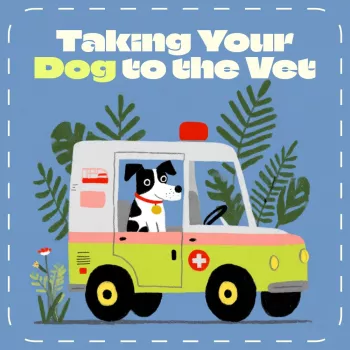
Paws & First Visits: A Calm, Practical Plan for Your Dog’s First Vet Appointment
A first veterinary visit can feel like a lot: paperwork, vaccines, questions about food and training, and a nervous puppy (or anxious adult rescue). A simple plan helps the appointment run smoothly and sets the tone for stress-free care going forward. This guide breaks down what to bring, what typically happens during the exam, the most common first-visit recommendations, and how to follow up at home—plus a printable-style checklist you can keep on hand.
When to schedule the first vet visit
- New puppy: Schedule soon after bringing your puppy home, especially if vaccine history is incomplete or unknown.
- Newly adopted adult dog: Schedule within the first couple of weeks—sooner if there are signs of illness (vomiting, diarrhea, coughing, lethargy, limping, or not eating).
- Before travel, boarding, grooming, or daycare: Many facilities require specific vaccines and proof of parasite prevention.
- After any change in behavior: Sudden anxiety, sleep changes, accidents in the house, or aggression can have medical causes worth ruling out.
What to bring: the essentials that save time and stress
Showing up prepared reduces guesswork and helps your veterinarian tailor vaccines, testing, and prevention to your dog’s real needs.
- Any medical records: Prior vaccine dates, deworming, spay/neuter info, microchip number, and any recent lab results.
- A stool sample (if requested): Fresh and sealed—helpful for parasite screening.
- A list of current food, treats, supplements, and medications: Include dosages and flea/tick and heartworm prevention details if already started.
- Notes on symptoms and timing: When it started, frequency, appetite changes, energy level, and what makes it better/worse.
- A secure carrier or well-fitted harness/collar and leash: Avoid retractable leashes in clinics.
- High-value treats and a familiar toy/blanket: Comfort items can help puppies and anxious dogs settle faster.
First-visit packing checklist
| Item | Why it matters | Tip |
|---|---|---|
| Records (vaccines, microchip, adoption papers) | Prevents repeat vaccines and fills gaps safely | Take photos or bring a printed copy |
| Food/med list (brand, amount, schedule) | Supports nutrition advice and avoids interactions | Snap a photo of labels and measuring scoop |
| Stool sample (if requested) | Screens for intestinal parasites | Collect the same day; keep cool and sealed |
| Treats + chew | Makes handling and exams easier | Use tiny pieces to avoid upset stomach |
| Carrier/harness + leash | Clinic safety for dogs and people | Practice wearing at home before the visit |
| Questions list | Ensures nothing important is missed | Put the top 3 questions at the top |
How to prepare your dog the day before and the day of
- Practice gentle handling at home: Touch paws, ears, mouth, and tail for a few seconds, then reward with treats.
- Plan potty breaks: Arrive early enough for a quick walk so your dog isn’t desperate during the appointment.
- Feed normally unless instructed otherwise: Some tests or procedures may require fasting—confirm when you book.
- Use calm logistics: Try a short practice car ride, secure your dog with a seat belt harness or carrier, and bring cleanup supplies.
- For anxious dogs: Call ahead about low-stress handling, waiting in the car until a room is ready, or booking a quieter time of day.
What usually happens during the first exam
Most first appointments follow a predictable flow: information gathering, a full physical exam, and a plan for prevention and follow-up.
- History review: Diet, bathroom habits, behavior, environment, parasite prevention, and any concerns you’ve noticed.
- Physical exam: Weight/body condition score, heart and lung sounds, eyes/ears, skin and coat, mouth/teeth, abdomen, joints, and lymph nodes.
- Vaccine plan discussion: Timing depends on age, lifestyle, and local risk. Bring past vaccine dates to avoid unnecessary repeats. Guidance from organizations like the American Animal Hospital Association (AAHA) can shape clinic protocols.
- Parasite prevention plan: Flea/tick and heartworm prevention recommendations vary by region and lifestyle; the AVMA offers helpful background on preventive care conversations.
- Diagnostics as needed: Fecal testing, heartworm testing (especially for dogs with unknown history), or bloodwork depending on age and symptoms.
- Microchip check: Many clinics scan for a chip and remind you to confirm registration details.
Rabies vaccination rules are often set by state/local regulations, so your vet may discuss legal timing and documentation. The CDC’s rabies information for pet owners is a solid overview of why the vaccine matters.
Common first-visit topics to ask about
After the appointment: follow-up steps that keep things on track
A ready-to-use guide and checklist for first visits
FAQ
How long does a first vet visit usually take?
Most first appointments take about 30–60 minutes. It can run longer if vaccines, fecal testing, or multiple concerns are addressed, so arrive a bit early for paperwork and check-in.
What vaccines are usually discussed at a first puppy visit?
Recommendations depend on age, local risk, and lifestyle, but core vaccines are commonly reviewed and scheduled as a series of boosters. Your vet will build a plan based on your puppy’s records (or create a safe catch-up schedule if history is unknown).
What should be done if a dog is extremely anxious at the vet?
Call ahead to ask about low-stress handling, quieter appointment times, or waiting in your car until a room is ready. Pair handling practice with treats at home, and ask your veterinarian about behavior support options—including situational medication—when needed.
Recommended for you


Nike Men’s Fall/Winter Sweatshirt: Warm, Easy Layer
Sep 29, 2026
Warm vs Cool Undertones: Simple Tests & Best Colors
Sep 29, 2026













Leave a comment