-
Shop
- Advanced Technologies
- AI Skills
- Apple Accessories
- Armani
- Bathroom
- Best-Sellers
- Calvin Klein
- Car Accessories
- Car Buying & Ownership
- Confidence
- Dating & Social Skills
- Digital Resources
- AI & Technology
- Beauty
- Electronics & Technology
- Emotional Intelligence
- Home Styling & Organization
- Kitchen & Recipes
- Mindfulness
- Mindset
- Online Business
- Parenting & Child Development
- Personal Style & Fashion
- Pet Lifestyle & Wellness
- Positive Thinking
- Productivity
- Self Confidence
- Sleep Improvement
- Smart Life with AI
- Stress Management & Relaxation
- Wellness
- Yoga & Mind-Body Practices
- Education & Learning
- Family & Parenting
- Fashion
- Furniture
- Gadgets
- Health & Beauty
- Health & Wellness
- Home & Garden
- Home Decor
- Home Electronics
- Jewelry
- Kids & Babies
- Kitchen
- Legend Footwear Brands Collection
- Lighting
- Luxury Brands Collection
- Nike
- Patio, Lawn & Garden
- Personal Growth
- Pet Care
- Pet Supplies
- Pets
- Smart Amazon Shopping
- Sport & Outdoors
- Travel
- Travel & Adventure
- Wealth
- Wealth Building
- Budgeting & Saving
- Cryptocurrency Investing
- Debt Management
- Entrepreneurship & Business Growth
- Family Finance & Budgeting
- Financial Independence
- Financial Mindset & Psychology
- Financial Planning
- Frugal Living & Expense Hacks
- Goal Setting
- High-Income Skills
- Investing Basics
- Leadership
- Motivation
- Networking & Mentorship
- Passive Income Strategies
- Real Estate Investing
- Side Hustles
- Stock Market Investing
- Popular
- Best deals
Long-Term Car Rental Guide: Costs, Mileage, and Fit
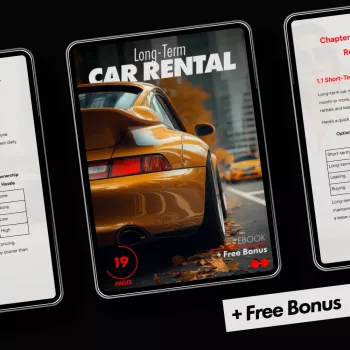
Long-Term Car Rental: Is It a Smart Next Vehicle Solution?
Long-term car rental sits between traditional daily rentals and multi-year commitments like buying or leasing. For people facing a temporary job assignment, a lifestyle transition, or uncertainty about future needs, it can offer flexibility—often bundled with simplified logistics and fewer long commitments. The real question is whether the convenience and adaptability outweigh the monthly cost. Below is a practical breakdown of where long-term rentals shine, where they can get expensive, and how to decide with confidence.
What “Long-Term Car Rental” Usually Means
Most providers treat “long-term” as anything past the standard daily/weekly period—typically around 28–30 days—then quote a monthly-style rate. Common terms include:
- Duration: often 1 month to 12 months, with rolling renewals possible.
- Pricing: a monthly rate with mileage terms, plus optional add-ons like insurance, roadside assistance, or delivery.
- Maintenance: some rentals include basic maintenance arrangements, but coverage varies by company and location.
- Flexibility first: easier to start and easier to stop than a lease, but usually not the cheapest path if the timeline stretches.
Who Long-Term Rental Fits Best (And Who It Doesn’t)
Long-term rentals work best when flexibility is more valuable than squeezing out the lowest monthly number.
- Great fit: relocations, extended business travel, seasonal work, internships, or bridging the gap while waiting for a new vehicle order.
- Great fit: testing a vehicle type (EV, SUV, hybrid) in real life before committing to a purchase or lease.
- Great fit: drivers who want predictable logistics (pickup/return, the ability to swap vehicles) more than long-run savings.
- Not ideal: high-mileage commuters if the plan has strict mileage caps and pricey overages.
- Not ideal: anyone who expects to keep the same vehicle for several years—buying typically wins over time.
Quick fit check
| Situation | Long-term rental makes sense when… | Consider alternatives when… |
|---|---|---|
| Temporary move (1–6 months) | You need a car immediately and don’t want to commit long-term | You’re staying multiple years and can handle buying/selling |
| New job probation period | End date is uncertain and flexibility matters | Your commute is high mileage and fees stack up |
| Waiting for vehicle delivery | You need a bridge vehicle without long commitments | A family member or car share covers gaps cheaply |
| Trying an EV or different class | You want real-world testing beyond a weekend | Dealer test drives or short subscriptions meet the need |
| Seasonal living | You only need a car part of the year | You can store a vehicle or use public transit easily |
Cost Drivers to Understand Before Booking
Monthly rentals can look straightforward until the “all-in” number lands. The biggest cost drivers to clarify upfront:
- Monthly base rate: changes by vehicle class, region, season, and demand; airport locations can add facility fees.
- Mileage limits and overage: a common surprise—confirm included miles per month and the per-mile charge if you exceed it.
- Insurance: verify what applies for extended durations (personal auto policy, credit card coverage, or rental coverage). Coverage details vary; the Insurance Information Institute’s rental car insurance overview is a solid starting point for the questions to ask.
- Taxes and fees: local taxes, concession fees, and surcharges can materially change the headline price.
- Deposits and payment terms: some companies require a larger deposit, prepayment, or specific credit requirements for monthly rentals.
- Extras: additional drivers, toll programs, child seats, and delivery/pickup charges can add up fast.
Long-Term Rental vs Leasing vs Buying
The cleanest way to choose is to line up your time horizon, expected mileage, and tolerance for paperwork and resale risk.
Comparison at a glance
| Option | Strengths | Watch-outs |
|---|---|---|
| Long-term rental | Fast setup, easy to switch/stop, minimal resale hassle | Mileage charges, variable fees, can cost more over many months |
| Lease | Lower monthly payments (often), newer vehicles, predictable term | Early termination fees, mileage limits, credit requirements |
| Buy | Best long-run value potential, no mileage caps, build equity | Depreciation risk, maintenance/repairs, time to sell later |
If leasing is on the table, review consumer guidance on lease terms and fees through the Federal Trade Commission (FTC) car leasing resource. If buying is a possibility, the Consumer Financial Protection Bureau (CFPB) auto loan hub is helpful for understanding financing basics and cost comparisons.
Practical Steps to Avoid Expensive Surprises
Common Use Cases (A Decision-Style View)
When Long-Term Rental Becomes a Bad Deal
A Simple “Yes/No” Checklist
Using Digital Guides to Make the Call Faster
- Long-Term Car Rental eBook Guide: Is it a Good Idea for Your Next Vehicle Solution? (useful for mapping time horizon, mileage, and true all-in monthly cost).
- Master Amazon Subscribe & Save in 10 Easy Steps – Printable Checklist for Beginners (a practical checklist format if you like step-by-step tracking and reminders).
- Screen Headaches Solved – A Practical Digital Guide to Headaches From Screen Overuse (helpful if your planning process involves a lot of screen time and you want better screen habits while you compare options).
FAQ
How many months is considered a long-term car rental?
Most companies treat anything around 28–30 days and beyond as long-term, commonly spanning 1 to 12 months. Terms and pricing can change after that first month, so confirm how renewals work and whether rates reset.
Is long-term car rental cheaper than leasing?
Often not if you need the car for many stable months, because leases can have lower monthly payments when mileage and term rules are met. Long-term rentals usually cost more per month but can win when flexibility and an easy exit matter most.
What should be checked before signing a long-term rental agreement?
Verify the all-in monthly total (including taxes/fees), mileage limits and overage charges, insurance coverage and exclusions, deposit/payment terms, and extension/early return rules. Also document vehicle condition thoroughly at pickup and return.
Recommended for you


Smart 4-Qt Air Fryer: App Control & Easy Cleanup
Sep 24, 2026













Leave a comment