-
Shop
- Advanced Technologies
- AI Skills
- Apple Accessories
- Armani
- Bathroom
- Best-Sellers
- Calvin Klein
- Car Accessories
- Car Buying & Ownership
- Confidence
- Dating & Social Skills
- Digital Resources
- AI & Technology
- Beauty
- Electronics & Technology
- Emotional Intelligence
- Home Styling & Organization
- Kitchen & Recipes
- Mindfulness
- Mindset
- Online Business
- Parenting & Child Development
- Personal Style & Fashion
- Pet Lifestyle & Wellness
- Positive Thinking
- Productivity
- Self Confidence
- Sleep Improvement
- Smart Life with AI
- Stress Management & Relaxation
- Wellness
- Yoga & Mind-Body Practices
- Education & Learning
- Family & Parenting
- Fashion
- Furniture
- Gadgets
- Health & Beauty
- Health & Wellness
- Home & Garden
- Home Decor
- Home Electronics
- Jewelry
- Kids & Babies
- Kitchen
- Legend Footwear Brands Collection
- Lighting
- Luxury Brands Collection
- Nike
- Patio, Lawn & Garden
- Personal Growth
- Pet Care
- Pet Supplies
- Pets
- Smart Amazon Shopping
- Sport & Outdoors
- Travel
- Travel & Adventure
- Wealth
- Wealth Building
- Budgeting & Saving
- Cryptocurrency Investing
- Debt Management
- Entrepreneurship & Business Growth
- Family Finance & Budgeting
- Financial Independence
- Financial Mindset & Psychology
- Financial Planning
- Frugal Living & Expense Hacks
- Goal Setting
- High-Income Skills
- Investing Basics
- Leadership
- Motivation
- Networking & Mentorship
- Passive Income Strategies
- Real Estate Investing
- Side Hustles
- Stock Market Investing
- Popular
- Best deals
PayPal for Buying a Car: Safer Deposits, Fees & Scams
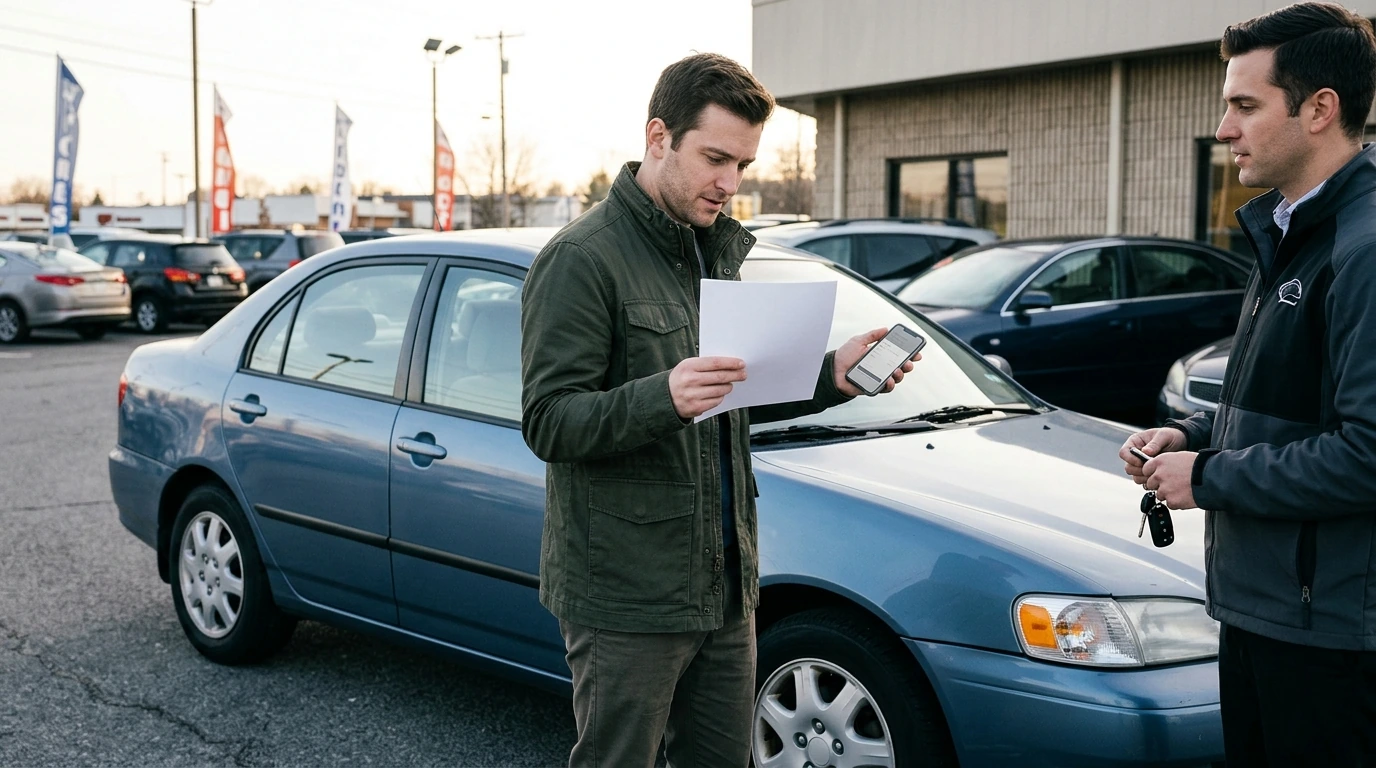
PayPal can be a convenient way to send money quickly for deposits, transport fees, and some vehicle payments—but it also comes with limits, fees, and fraud risks that matter more with high-dollar purchases. This guide breaks down when PayPal makes sense for a car deal, when it doesn’t, and how to structure the transaction to reduce surprises for both buyer and seller.
When PayPal Makes Sense for a Car Purchase (and When It Doesn’t)
PayPal tends to work best when the amount is limited and the terms are clear. A smart use case is a refundable deposit or holding fee—especially when it’s backed by a written receipt or invoice that spells out the VIN, the amount, and the refund conditions.
Good “best-fit” scenarios include paying a dealership that explicitly accepts PayPal, or covering smaller portions of the total price like documentation fees, delivery coordination, or a pre-purchase inspection. These payments are easier to itemize and verify, and the risk is capped.
Risk goes up fast when PayPal is used for the entire purchase price in a private-party sale, when money is sent to “ship the car,” when the payee isn’t the titled owner, or when payment is requested before you’ve seen the vehicle, VIN, and title. For high-value transfers, confirm PayPal sending/receiving limits and whether funds may be held before the seller can withdraw them.
Local handoffs are simpler because you can match the seller to the title and verify the VIN in person. Remote deals require stricter verification regardless of payment method: confirmed identity, confirmed ownership, and a process that prevents money and title from crossing paths at the wrong time.
PayPal Payment Types Explained for Vehicle Deals
Goods & Services
Goods & Services is typically the PayPal option associated with purchase protection features. That said, coverage rules can change and certain categories may have limitations or exclusions. Before relying on it for a vehicle-related payment, review PayPal’s current policy details on PayPal Buyer Protection and the PayPal User Agreement.
Friends & Family
Friends & Family is meant for personal transfers, not purchases. It generally lacks purchase protection and is frequently pushed by scammers to make payments difficult to dispute. For car-related payments—especially deposits, “shipping,” or anything tied to a sale—this option is usually the wrong choice.
Card-funded PayPal or PayPal Credit
Funding PayPal with a credit card may add a potential chargeback path through the card issuer, but it can also add fees and won’t solve core ownership problems. Even if a payment is reversed, you can still be stuck untangling title, liens, or delivery disputes.
Invoice vs. Money Request
An invoice feels more “transactional” and can include line items like “Refundable holding deposit for VIN…” plus dates and refund terms. A basic money request is quicker, but often lacks the description and documentation you’ll want if a dispute arises.
Costs, Fees, and Limits to Check Before Sending Money
Before you tap “Send,” get clarity on these practical points:
- Transaction fees: Sellers may ask the buyer to cover Goods & Services fees. Agree on who pays and reflect it in the final price so there’s no last-minute renegotiation.
- Currency conversion and cross-border fees: International purchases can add exchange-rate spreads and extra charges. Confirm the “all-in” cost in USD before committing.
- Withdrawal timing and holds: Sellers may face holds, especially for large or unusual transactions. Plan the title handoff so it doesn’t happen before funds are available and verified on the seller’s side.
- Dispute windows and documentation: Save invoices, a bill of sale, listing screenshots, photos, VIN details, odometer disclosure (if applicable), chat logs, and pickup/delivery proof.
- DMV and tax rules: Paying with PayPal doesn’t replace required paperwork (title assignment, lien release, registration, taxes). For a used-car refresher, the FTC’s buying a used car guidance is a solid baseline.
Payment Options Compared for Car Deals
Car Payment Methods: Speed, Protection, and Typical Use
| Method | Best for | Main drawbacks | Practical tip |
|---|---|---|---|
| PayPal (Goods & Services) | Deposits, fees, some dealership payments | Fees, possible holds, protection limits/exclusions | Use an invoice listing VIN, deposit amount, and refund terms |
| PayPal (Friends & Family) | True personal transfers only | No purchase protection; high scam risk | Avoid for car purchases and shipping payments |
| Bank wire | Large sums with verified counterparties | Hard to reverse; common in fraud | Only send after identity + title ownership are verified |
| Cashier’s check | Local deals with in-person exchange | Counterfeit risk; bank verification needed | Meet at the issuing bank to confirm authenticity |
| Cash | Local private-party sales | Safety risk; counting/transport issues | Meet at a bank/DMV; get a signed bill of sale |
Step-by-Step: A Safer Way to Use PayPal for a Car Deal
Common Scams and Red Flags When Paying for a Car with PayPal
Checklist Before Sending Any PayPal Payment
Helpful Digital Resources
- PayPal for Buying a Car: The Ultimate Guide to Using PayPal for Car Purchases – Pros, Cons & Step-by-Step Tips
- Master Amazon Subscribe & Save in 10 Easy Steps – Printable Checklist for Beginners | Digital Download | Learn How Does Amazon Subscribe and Save Work
FAQ
Can a car be purchased with PayPal?
Yes, in some situations—often for deposits or with dealerships that accept PayPal. For private sales, it’s typically safer to limit PayPal to a deposit and complete the balance with verified funds at pickup after title checks.
Is PayPal Goods & Services safe for a car deposit?
It can be safer than irreversible methods, but protection may have exclusions or limits for vehicles. Use an invoice with the VIN and refund terms, and keep documentation that supports the agreed-upon transfer.
Should Friends & Family ever be used to pay for a vehicle?
Generally no—Friends & Family is intended for personal transfers and typically lacks purchase protection, which makes it a common scam route for car and shipping payments.
Recommended for you

Warm vs Cool Undertones: Simple Tests & Best Colors
Sep 29, 2026













Leave a comment