-
Shop
- Advanced Technologies
- AI Skills
- Apple Accessories
- Bathroom
- Best-Sellers
- Car Accessories
- Car Buying & Ownership
- Confidence
- Dating & Social Skills
- Digital Resources
- AI & Technology
- Beauty
- Electronics & Technology
- Emotional Intelligence
- Home Styling & Organization
- Kitchen & Recipes
- Mindfulness
- Mindset
- Online Business
- Parenting & Child Development
- Personal Style & Fashion
- Pet Lifestyle & Wellness
- Positive Thinking
- Productivity
- Self Confidence
- Sleep Improvement
- Smart Life with AI
- Stress Management & Relaxation
- Wellness
- Yoga & Mind-Body Practices
- Education & Learning
- Family & Parenting
- Fashion
- Furniture
- Gadgets
- Health & Beauty
- Health & Wellness
- Home & Garden
- Home Decor
- Home Electronics
- Jewelry
- Kids & Babies
- Kitchen
- Legend Footwear Brands Collection
- Lighting
- Nike
- Patio, Lawn & Garden
- Personal Growth
- Pet Care
- Pet Supplies
- Pets
- Smart Amazon Shopping
- Sport & Outdoors
- Travel
- Travel & Adventure
- Wealth
- Wealth Building
- Budgeting & Saving
- Cryptocurrency Investing
- Debt Management
- Entrepreneurship & Business Growth
- Family Finance & Budgeting
- Financial Independence
- Financial Mindset & Psychology
- Financial Planning
- Frugal Living & Expense Hacks
- Goal Setting
- High-Income Skills
- Investing Basics
- Leadership
- Motivation
- Networking & Mentorship
- Passive Income Strategies
- Real Estate Investing
- Side Hustles
- Stock Market Investing
- Popular
- Best deals
How to Raise a Confident Son: Self-Belief & Resilience
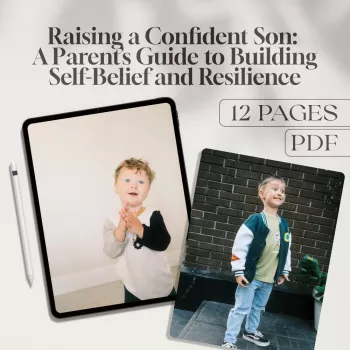
Raising a Confident Son: Practical Ways to Build Self-Belief and Resilience at Home
Confidence in boys grows from repeated experiences of being capable, supported, and allowed to learn through effort. When children feel safe to try, fail, and try again, they build self-belief that lasts beyond school, sports, or social moments. The goal isn’t to create a child who never doubts himself—it’s to raise a boy who can handle doubt and still take the next step.
What confidence looks like (and what it doesn’t)
Real confidence is skills plus self-trust: a willingness to attempt, problem-solve, and recover after setbacks. A confident son can feel nervous and still participate. He can be proud without needing to be “the best.” He can ask for help without feeling embarrassed.
- Healthy confidence includes a realistic self-view, effort-focused pride, and the ability to seek support when needed.
- Common myths suggest confidence is loud, fearless, or always positive; and that resilience means never feeling upset.
- Fragile confidence often shows up as extreme avoidance, perfectionism, quitting quickly, or needing constant reassurance before starting.
If a boy looks “fine” on the surface but melts down over small mistakes or refuses anything new, the problem often isn’t laziness—it’s that his nervous system is signaling “this isn’t safe.” The fix starts with emotional safety.
Create a foundation of emotional safety
Emotional safety is the feeling that “I can be myself here, even when I’m struggling.” It doesn’t mean permissive parenting. It means steady connection alongside clear boundaries.
- Name feelings without fixing immediately: reflect what you see (“That was disappointing”) before advice.
- Separate your child from the behavior: correct the action without attacking identity.
- Normalize nerves and disappointment: model that uncomfortable emotions are tolerable and temporary.
- Repair after conflict: quick reconnection teaches that mistakes don’t threaten belonging.
Everyday moments that build emotional safety
| Moment | Parent move | What it teaches |
|---|---|---|
| After a tough day | Reflect feelings first, then ask one question: “Do you want comfort or solutions?” | Emotions are valid; support is reliable |
| After misbehavior | Set a clear consequence, then reconnect with a brief check-in | Boundaries and love can coexist |
| Before a performance | Normalize nerves and focus on one controllable step | Courage means acting with nerves |
| After a mistake | Ask what he learned and what he’ll try next time | Growth comes from feedback, not shame |
For more on building resilience through supportive relationships and coping skills, the American Psychological Association’s resilience resources are a strong, research-informed starting point.
Shift from praise to process: language that strengthens self-belief
Praise isn’t “bad,” but broad compliments can backfire if they make boys feel they must keep performing to stay valued. Process-focused language teaches: “I can improve by what I do.”
- Use specific, effort-based feedback: point to choices, strategies, and persistence.
- Highlight progress over outcomes: make growth visible (more reps, steadier focus, faster recovery).
- Avoid rescuer habits: pause before stepping in; offer hints and choices so competence grows.
- Teach self-talk: replace “I’m terrible at this” with “This is hard, and I can try one step.”
Self-regulation is a major confidence builder because it helps a child stay engaged even when emotions rise. Harvard’s overview of executive function and self-regulation explains why skills like planning, flexible thinking, and impulse control matter so much for learning and resilience.
Build resilience through manageable challenges
Resilience grows from “stretch, not snap.” The challenge should be difficult but achievable with support—like a spotter at the gym.
- Choose manageable challenges: a slightly harder book, a new responsibility, a short tryout, a beginner class.
- Debrief setbacks simply: What happened? What did you try? What will you try next?
- Teach flexible thinking: brainstorm multiple solutions and a backup plan.
- Build responsibility with support: let him own small household roles end-to-end (feed a pet, pack his bag, start laundry).
A helpful parenting mindset is to treat mistakes as data, not a verdict. That doesn’t mean lowering expectations—it means focusing on the next workable step.
Support social confidence and healthy independence
If your son struggles with intense reactions after social stress (like shutting down after school), the CDC’s Positive Parenting Tips offer practical, age-based guidance for routines, communication, and support.
When confidence dips: common triggers and what helps
A simple weekly plan to practice confidence skills
Printable support for busy weeks
When life gets hectic, a structured resource can turn “good intentions” into routines you can actually repeat. If you want a step-by-step set of prompts for emotional regulation, resilient thinking, and weekly planning, consider Raising a Confident Son: A Parent’s Guide to Building Self-Belief and Resilience | How to Build My Son’s Confidence | Digital Download Parenting Guide.
If screens tend to spike irritability, sleep issues, or headaches that make confidence harder to access, Screen Headaches Solved – A Practical Digital Guide to Headaches From Screen Overuse, Eye Strain Relief & Smart Screen Habits can support healthier routines—especially during homework-heavy weeks.
FAQ
How can a parent build a son’s confidence without overpraising?
Focus feedback on effort, strategies, and progress rather than traits. Allow productive struggle, and celebrate attempts and learning—even when the outcome isn’t perfect.
What should a parent say when a boy is afraid to try something new?
Validate the nerves, then make the task smaller and focus on one controllable step. Offer a choice (try again vs. a hint) and reinforce that courage is action while uncomfortable.
How do you help a son bounce back after failure?
Co-regulate first (calm your body together), then debrief later with: what happened, what he tried, and what he’ll try next. Treat the failure as feedback and plan a small retry soon to rebuild momentum.
















Leave a comment