-
Shop
- Advanced Technologies
- AI Skills
- Apple Accessories
- Armani
- Bathroom
- Best-Sellers
- Calvin Klein
- Car Accessories
- Car Buying & Ownership
- Confidence
- Dating & Social Skills
- Digital Resources
- AI & Technology
- Beauty
- Electronics & Technology
- Emotional Intelligence
- Home Styling & Organization
- Kitchen & Recipes
- Mindfulness
- Mindset
- Online Business
- Parenting & Child Development
- Personal Style & Fashion
- Pet Lifestyle & Wellness
- Positive Thinking
- Productivity
- Self Confidence
- Sleep Improvement
- Smart Life with AI
- Stress Management & Relaxation
- Wellness
- Yoga & Mind-Body Practices
- Education & Learning
- Family & Parenting
- Fashion
- Furniture
- Gadgets
- Health & Beauty
- Health & Wellness
- Home & Garden
- Home Decor
- Home Electronics
- Jewelry
- Kids & Babies
- Kitchen
- Legend Footwear Brands Collection
- Lighting
- Luxury Brands Collection
- Nike
- Patio, Lawn & Garden
- Personal Growth
- Pet Care
- Pet Supplies
- Pets
- Smart Amazon Shopping
- Sport & Outdoors
- Travel
- Travel & Adventure
- Wealth
- Wealth Building
- Budgeting & Saving
- Cryptocurrency Investing
- Debt Management
- Entrepreneurship & Business Growth
- Family Finance & Budgeting
- Financial Independence
- Financial Mindset & Psychology
- Financial Planning
- Frugal Living & Expense Hacks
- Goal Setting
- High-Income Skills
- Investing Basics
- Leadership
- Motivation
- Networking & Mentorship
- Passive Income Strategies
- Real Estate Investing
- Side Hustles
- Stock Market Investing
- Popular
- Best deals
PayPal Chargeback Shield: Seller-First Dispute Defense

Chargeback Shield: Protect Your PayPal Sales with a Seller-First Process
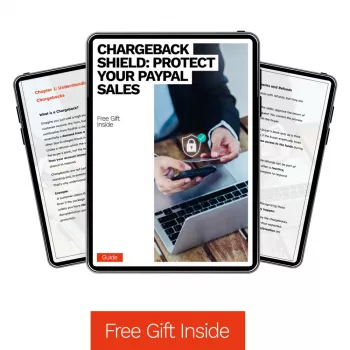
Chargebacks can turn a good sales day into a loss: the payment disappears, the product is already shipped or delivered, and the dispute clock starts ticking. This guide is built for sellers who want a clean, repeatable way to reduce chargeback risk on PayPal orders, respond fast when disputes happen, and keep records that hold up when a case is reviewed. Our team built Chargeback Shield: Protect Your PayPal Sales to package that workflow into one seller-friendly system—what to do before the sale, at checkout, during fulfillment, and after delivery—so each PayPal transaction has a stronger paper trail.
For official program details and dispute basics, it also helps to keep these references handy: PayPal Seller Protection and the FTC’s consumer guidance on chargebacks.
What “chargeback protection” means for PayPal sellers
Chargebacks are bank/card disputes, not the same as PayPal’s own dispute flow—so evidence standards can feel stricter and timelines can be shorter. Your goal isn’t to “win every case.” It’s to prevent avoidable disputes and raise your win-rate on the disputes that still happen by producing consistent, claim-matching proof.
Strong protection is a process: clear policies, verified order details, trackable shipping, and documentation that matches what the buyer sees at checkout. Chargeback Shield keeps the focus on what you can control—order screening, communications, and fulfillment proof—rather than hoping things work out after a dispute is filed.
Common dispute types and the evidence that usually matters most
| Dispute reason | What it typically means | Best supporting proof to keep ready |
|---|---|---|
| Unauthorized transaction | Cardholder claims they didn’t approve the purchase | Order log, device/IP data if available, proof of delivery, customer communications, proof of account login/confirmation where applicable |
| Item not received | Buyer says delivery never happened | Carrier tracking, delivery confirmation, shipping label, address match, dispatch timestamp, replacement/refund offers (dated) |
| Significantly not as described | Buyer claims the product differed from listing | Listing details/receipt, product specs used at checkout, photos (if relevant), return policy, return instructions sent, RMA trail, partial refund/return attempts |
| Duplicate/incorrect charge | Buyer says billing is wrong | Invoice, PayPal transaction record, order confirmation, refund/correction record if any |
| Refund not processed | Buyer claims they were promised a refund | Refund timestamp, PayPal refund record, policy excerpt, communication thread confirming resolution |
Pre-sale setup that prevents the most chargebacks
Many chargebacks start as expectation gaps. You can reduce that risk before you ever receive a payment:
- Publish clear policies (shipping timelines, returns, cancellations) and keep them consistent across product pages, order confirmations, and customer messages.
- Use accurate product descriptions and avoid vague claims that can trigger “not as described” disputes.
- Make contact options easy to find so frustrated customers reach support before calling their bank.
- Set expectations at checkout: delivery windows, tracking availability, and what happens if an address is incomplete.
- Keep your business name and customer-facing descriptors consistent so buyers recognize the transaction on their statement.
Order screening: quick checks that reduce “unauthorized” claims
Unauthorized claims are often less about “proof” and more about whether your order flow creates easy red flags. A simple screening routine can reduce risk without turning your checkout into a maze.
- Confirm the shipping address matches what the buyer entered and avoid manual overrides unless the buyer confirms in writing.
- Flag high-risk patterns: rush shipping, unusually large quantity for a first-time buyer, multiple orders with slight name variations, or frequent address changes.
- Require a verifiable delivery method for higher-value orders (signature where appropriate) so delivery proof is stronger later.
- Keep a simple “approve/hold/cancel” decision rule so our team responds consistently rather than improvising per order.
Fulfillment practices that create a stronger evidence trail
When a bank reviews a chargeback, “we shipped it” isn’t enough. What wins attention is a clean chain from checkout details to fulfillment proof.
Customer messaging that stops disputes before they start
When a chargeback happens: a tight response workflow
What Chargeback Shield includes and how sellers use it
Chargeback Shield: Protect Your PayPal Sales is designed to turn all the best practices above into a repeatable routine you can actually keep up with during busy weeks. You’ll use it to standardize what happens at each stage (before shipping, at shipment, and after delivery) so your evidence trail is created as a byproduct of normal operations—not a scramble when a dispute lands.
If you sell across channels and want a simple way to keep recurring-order operations clean as well, our team also carries Master Amazon Subscribe & Save in 10 Easy Steps—a separate checklist resource that helps you standardize another part of the customer lifecycle where expectation-setting and timing matter.
Seller habits that keep chargebacks from creeping back
FAQ
Does PayPal Seller Protection stop chargebacks automatically?
No. PayPal Seller Protection may help in certain eligible cases, but chargebacks are ultimately decided through the card issuer/bank process, so you still need strong evidence and compliant fulfillment to have the best chance.
What is the most important proof to keep for PayPal chargebacks?
Prioritize proof of delivery (tracking and signature when appropriate), order details that match what the buyer saw at checkout, and a clear communication timeline showing your attempts to resolve the issue.
How can sellers reduce “unauthorized transaction” disputes?
Screen higher-risk orders, ship only to the address provided at checkout, keep written confirmations for any changes, use trackable delivery, and document access/delivery logs for digital goods or services.
Recommended for you


Mindful Solo Travel Guide: Plan Calmly With AI Help
Sep 30, 2026













Leave a comment